
White Spring.
Home Extension and Garden Pavilion, Cambridgeshire
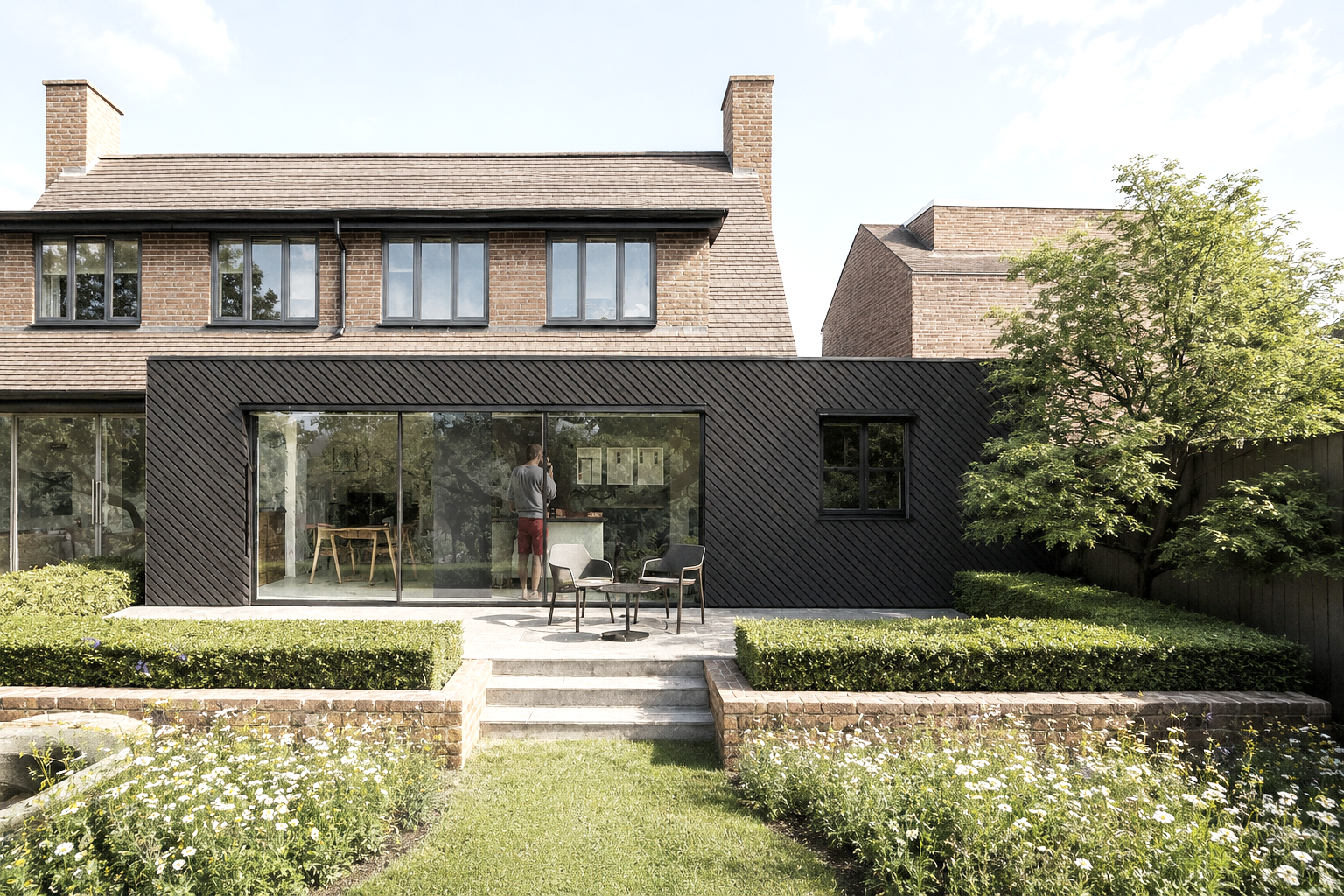
“ The additions are deliberately modest and secondary to the original house, creating a calm and cohesive home that feels more connected, practical, and adaptable while retaining the familiarity of the existing dwelling.”
White Spring, Cambridgeshire
Project Summary
Location: Cambridgeshire
Type: Extension, Remodelling and Refurbishment
Size: 50sqm
White Spring House reimagines a post-war family home whose layout no longer supported the way the clients lived. Fragmented rooms, poor connection to the garden, and a detached garage that occupied a prominent position without adding meaningful day-to-day value limited the house’s ability to accommodate modern family life and multi-generational living.
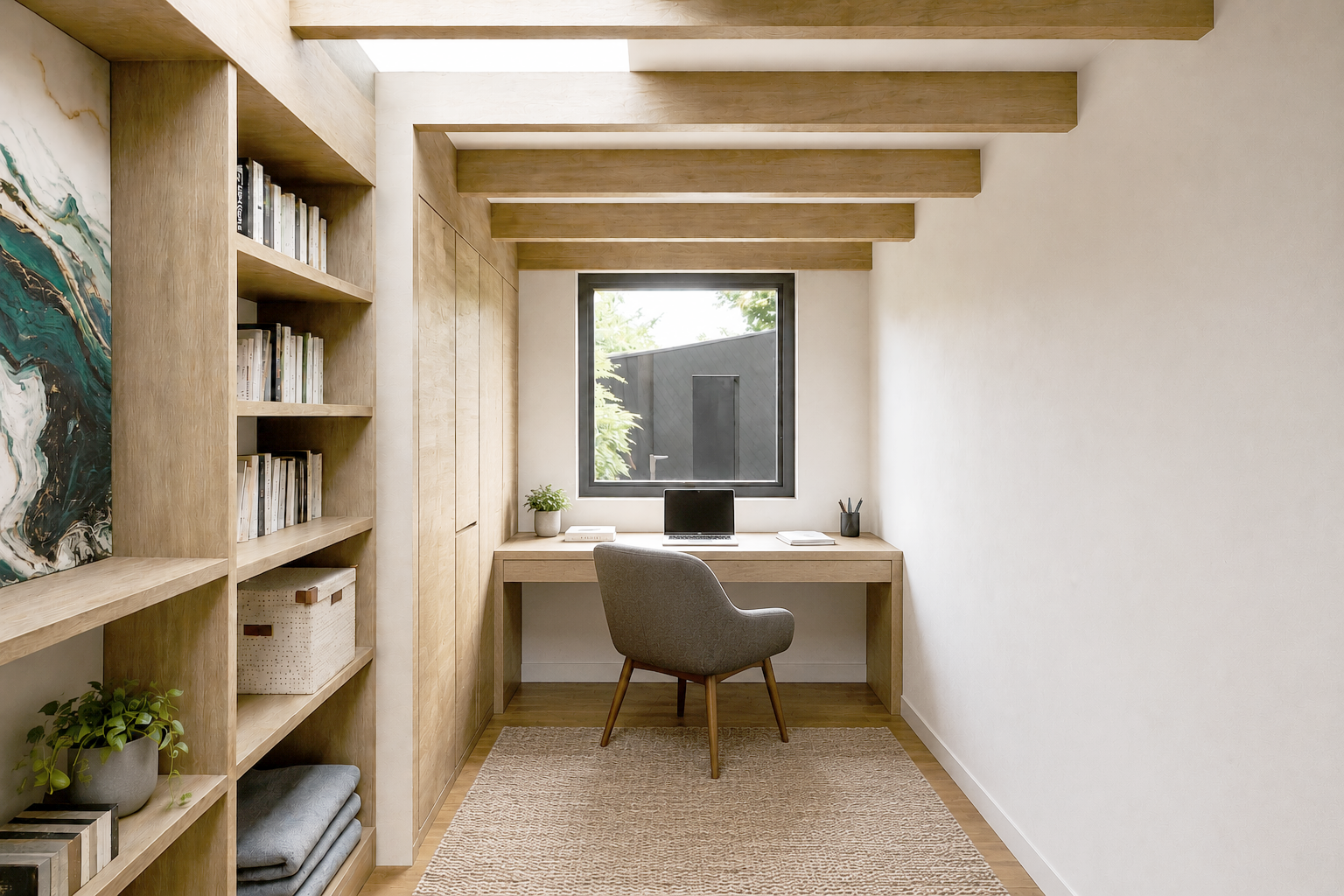
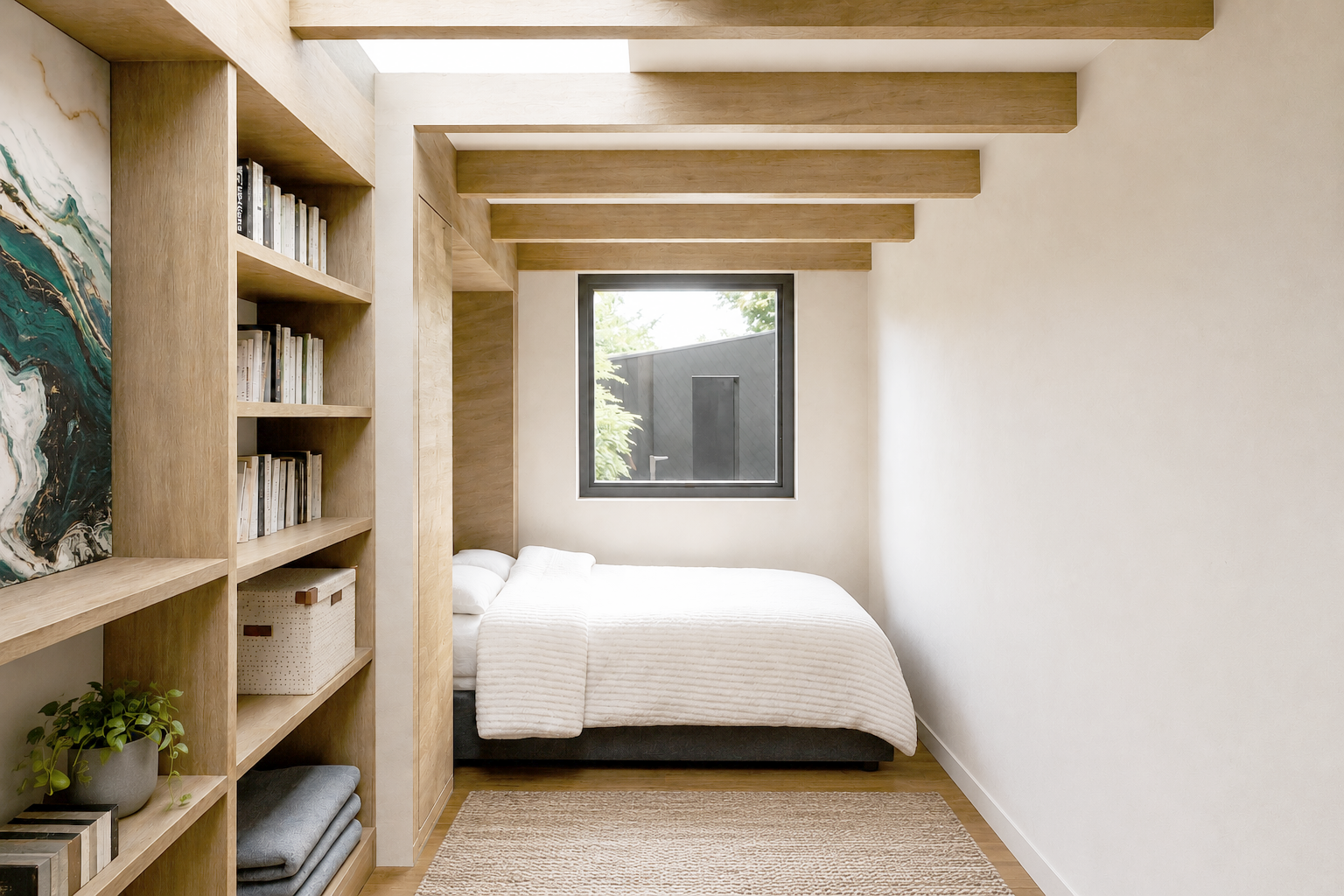
House Form Architects reconfigured and extended the house to create a more open, flexible, and accessible home centred around everyday family routines and a stronger relationship with the garden. The project replaces the existing garage with a ground-floor guest suite, extends the rear of the house to form a generous open-plan living space, and introduces a small garden pavilion within the landscape.
The additions are deliberately modest and secondary to the original house, creating a calm and cohesive home that feels more connected, practical, and adaptable while retaining the familiarity of the existing dwelling.
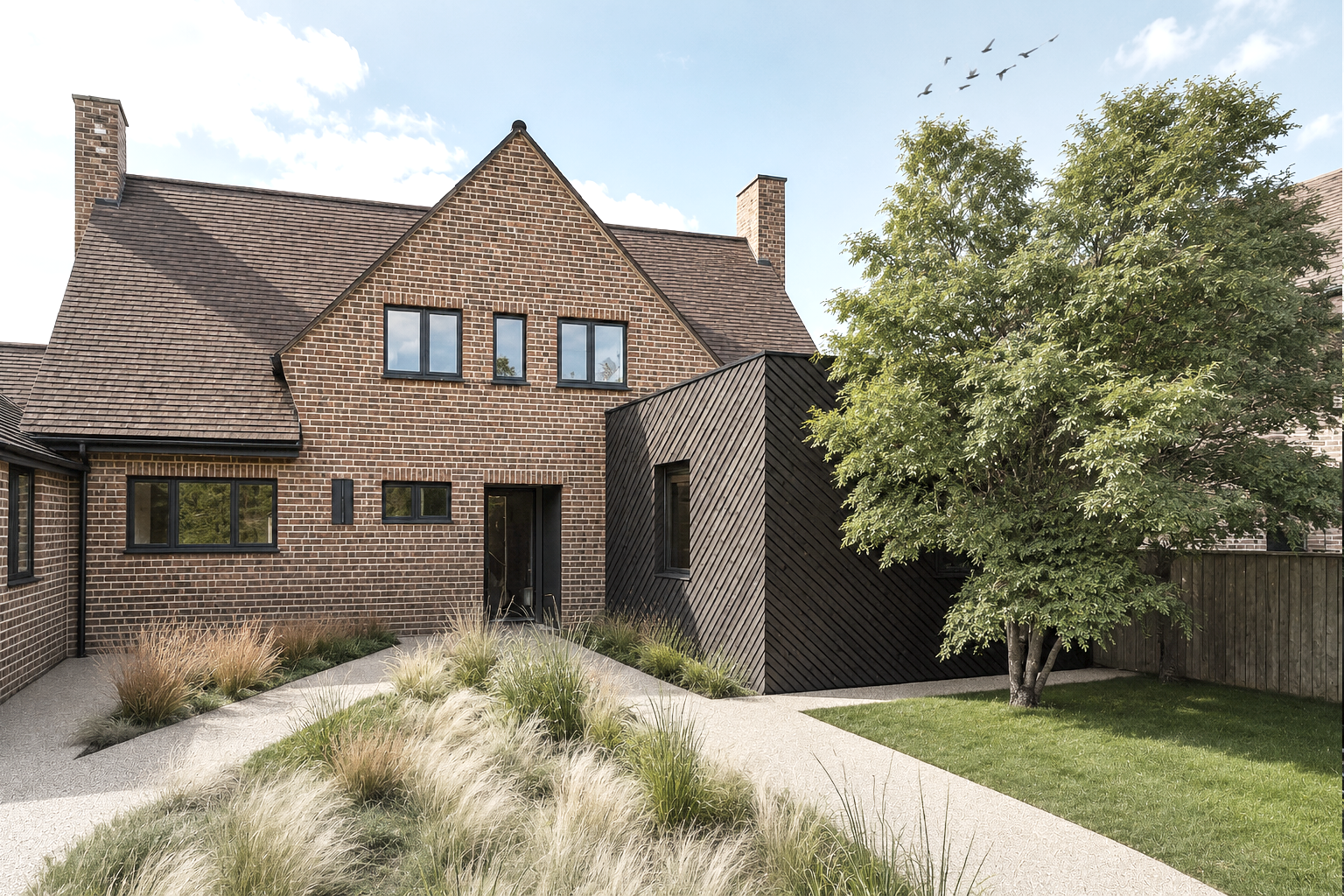
“White Spring House demonstrates how a familiar suburban dwelling can be carefully reworked to support contemporary patterns of living through clarity, restraint, and attention to everyday use. The project is defined not by how much has been added, but by how thoughtfully each space supports daily life, seasonal change, and a closer relationship between house and garden.”
White Spring, Cambridgeshire
Project Description
When the clients first approached House Form Architects, White Spring House was a familiar post-war home that had grown incrementally over time but lacked a clear sense of order. The rooms were serviceable yet disconnected, and the relationship between house, garden, and street felt unresolved. The brief was not about maximising floor area, but about creating a home that worked more naturally for everyday life, accommodating visiting family, quieter moments of retreat, and the seasonal use of the garden.
The design began with a careful reading of how the house was used. Rather than a single large intervention, the proposal is composed as a sequence of modest, purposeful additions. At the front of the site, the removal of the detached garage creates space for a new guest bedroom and ensuite. Positioned at ground level with level access, this room allows visiting family members to stay comfortably and independently, while also providing flexibility for future use as the household’s needs change.
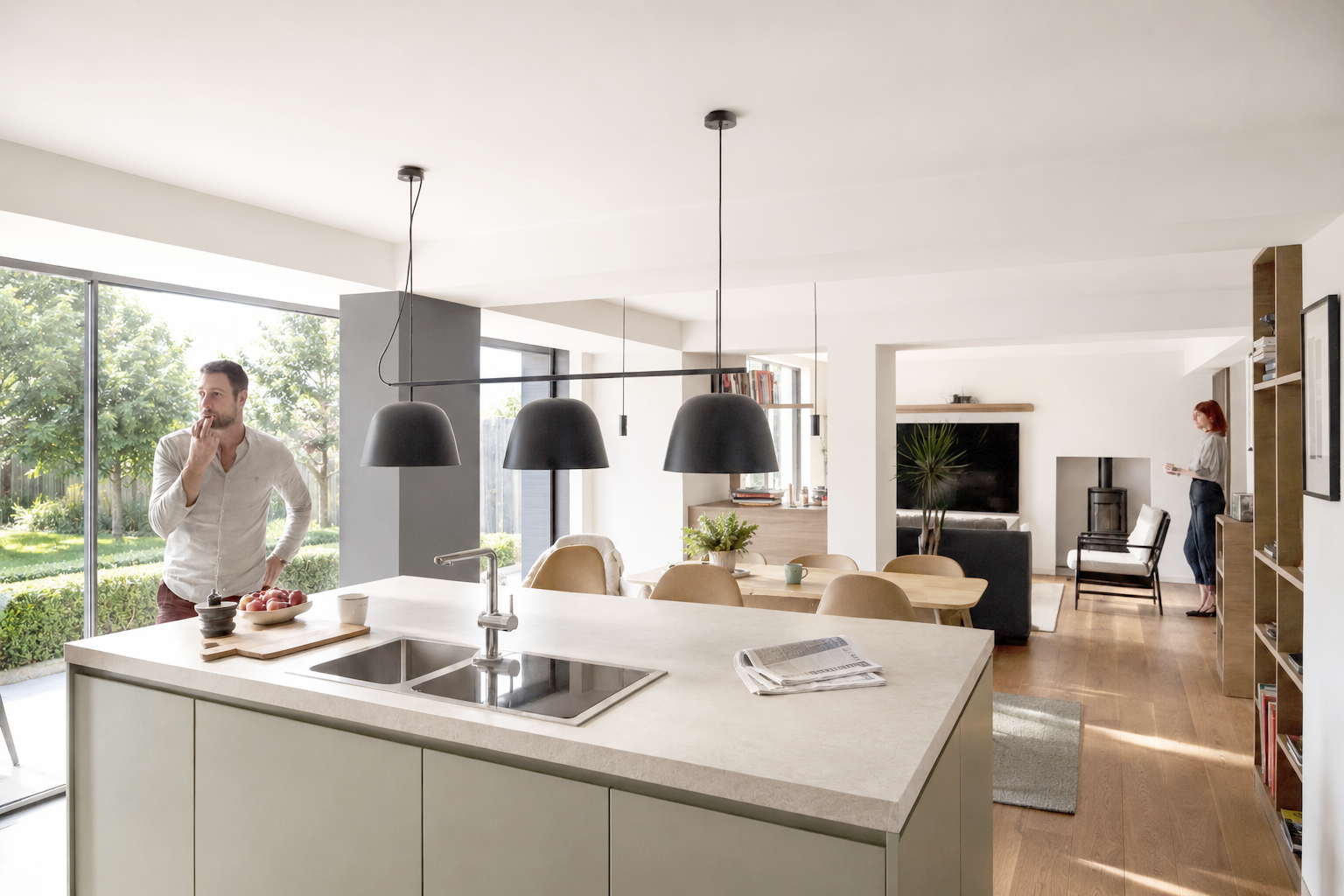
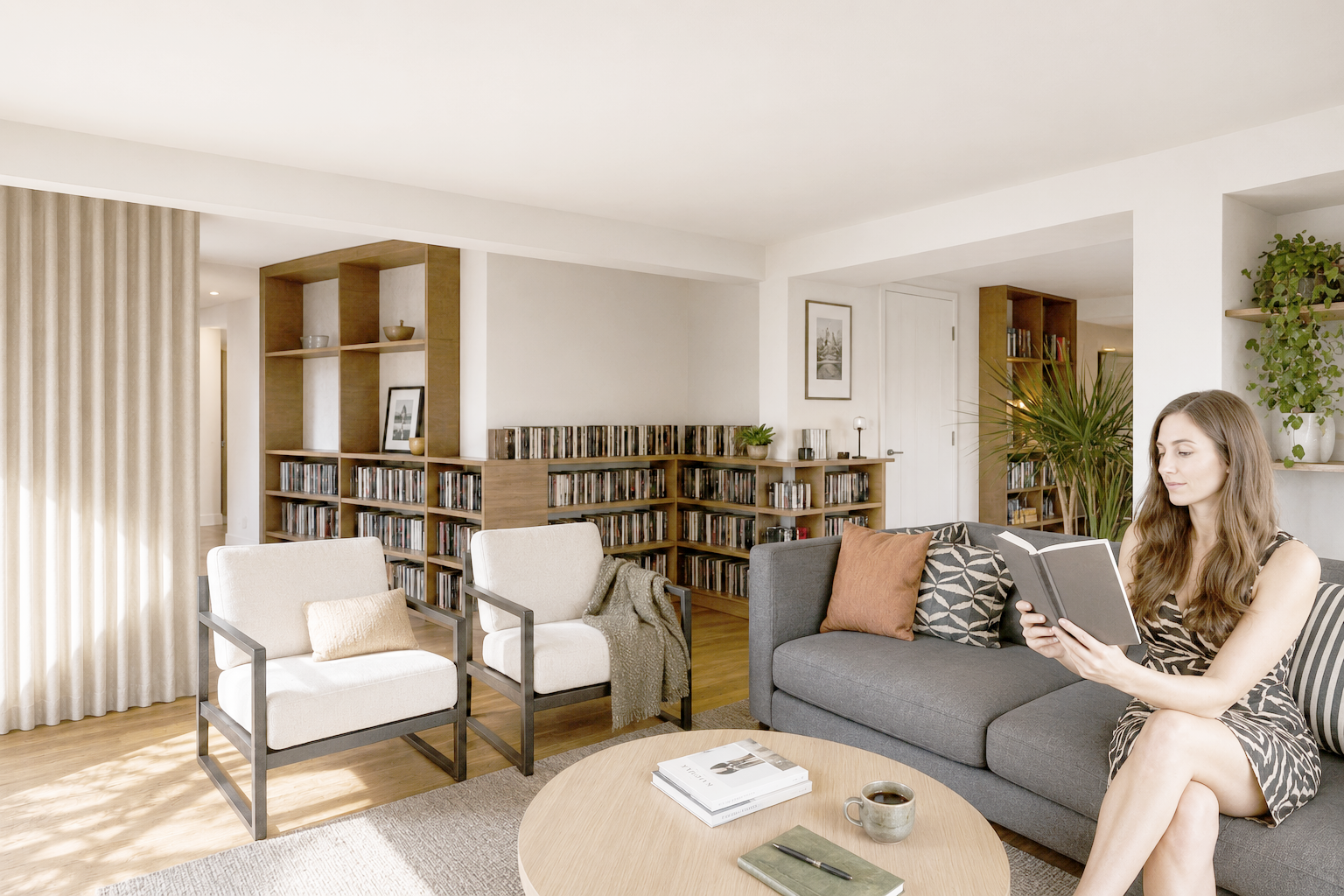
To the rear, the house opens out into a new kitchen, dining, and living space that becomes the social heart of the home. This room is deliberately simple in form, with generous openings that draw daylight deep into the plan and establish a direct, everyday relationship with the garden. The space is designed to support daily rituals, shared meals, working at the table, and informal gatherings, with the garden forming a natural extension of the living space during warmer months.
Set further into the garden, a small detached pavilion provides a sheltered but unheated space for sitting, entertaining, and enjoying the garden during spring and summer. Designed as a lightweight, seasonal structure, it offers shade and enclosure without the
formality of a fully conditioned room. During the winter months, the pavilion is intended to be used as secure storage for garden furniture and outdoor equipment, allowing the main house to remain uncluttered and adaptable. Its role is deliberately simple and pragmatic, reinforcing the idea of the garden as a lived-in landscape rather than a backdrop.
Material choices reinforce this calm, purposeful approach. Black-stained timber cladding, profiled metal roofing, and dark-toned aluminium joinery are used consistently across the new elements, giving them a quiet coherence while remaining clearly distinct from the existing brick house. These materials are robust and durable, chosen to weather naturally over time and support long-term, low-maintenance use rather than visual novelty.
Throughout the project, careful attention has been given to scale, neighbourly impact, and planning context. All new elements remain single storey and subordinate to the existing dwelling, preserving daylight, privacy, and the informal character of Whitwell Way. Energy efficiency improvements are focused on the main house extensions in line with current Building Regulations, while the unheated garden pavilion remains intentionally simple, avoiding unnecessary services or complexity.
White Spring House demonstrates how a familiar suburban dwelling can be carefully reworked to support contemporary patterns of living through clarity, restraint, and attention to everyday use. The project is defined not by how much has been added, but by how thoughtfully each space supports daily life, seasonal change, and a closer relationship between house and garden.