Chivers Cottage.
A Sensitive Listed Cottage Extension, Cambridgeshire
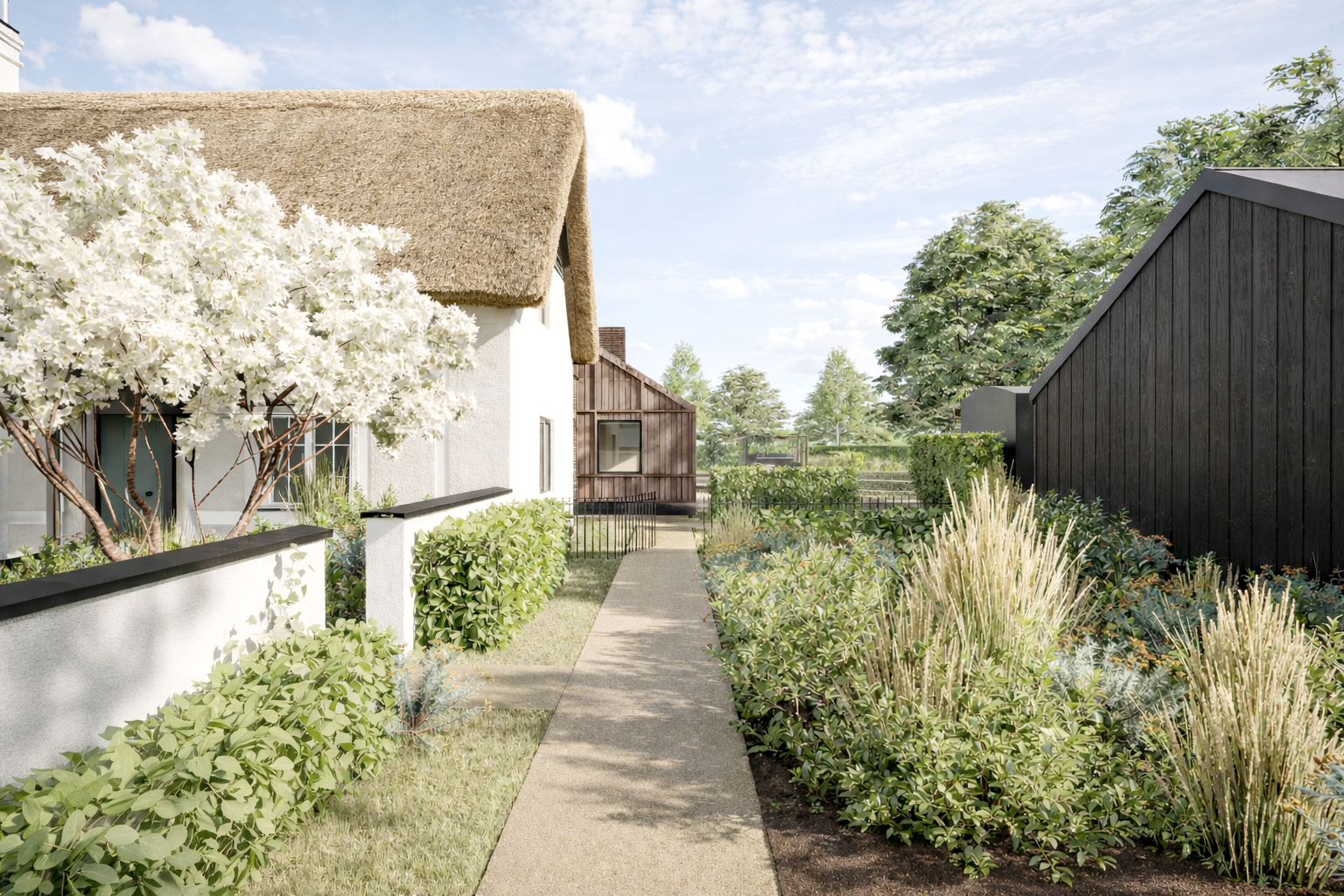
“ The project balances heritage conservation with the needs of contemporary family life, delivering a thoughtful architectural response to client needs, listed building constraints, and Green Belt planning policy.”
Chivers Cottage, Cambridgeshire
Project Summary
Location: Cambridgeshire
Type: Listed Building Extension and Restoration
Size: 250sqm
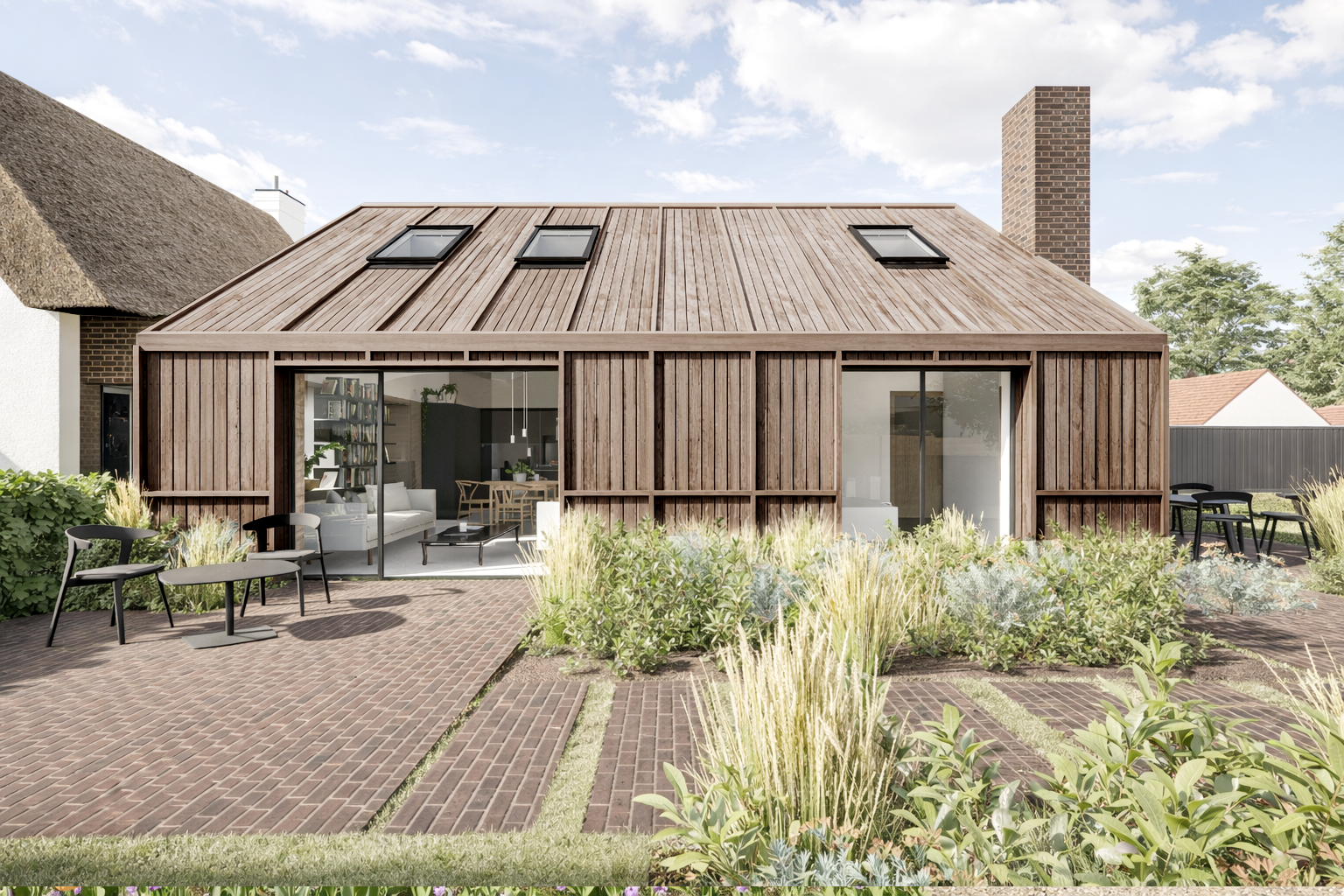
Chivers Cottage is a carefully considered extension and restoration of a historic listed thatched cottage set within the Green Belt in Cambridgeshire. The project balances heritage conservation with the needs of contemporary family life, delivering a thoughtful architectural response to client needs, listed building constraints, and Green Belt planning policy.
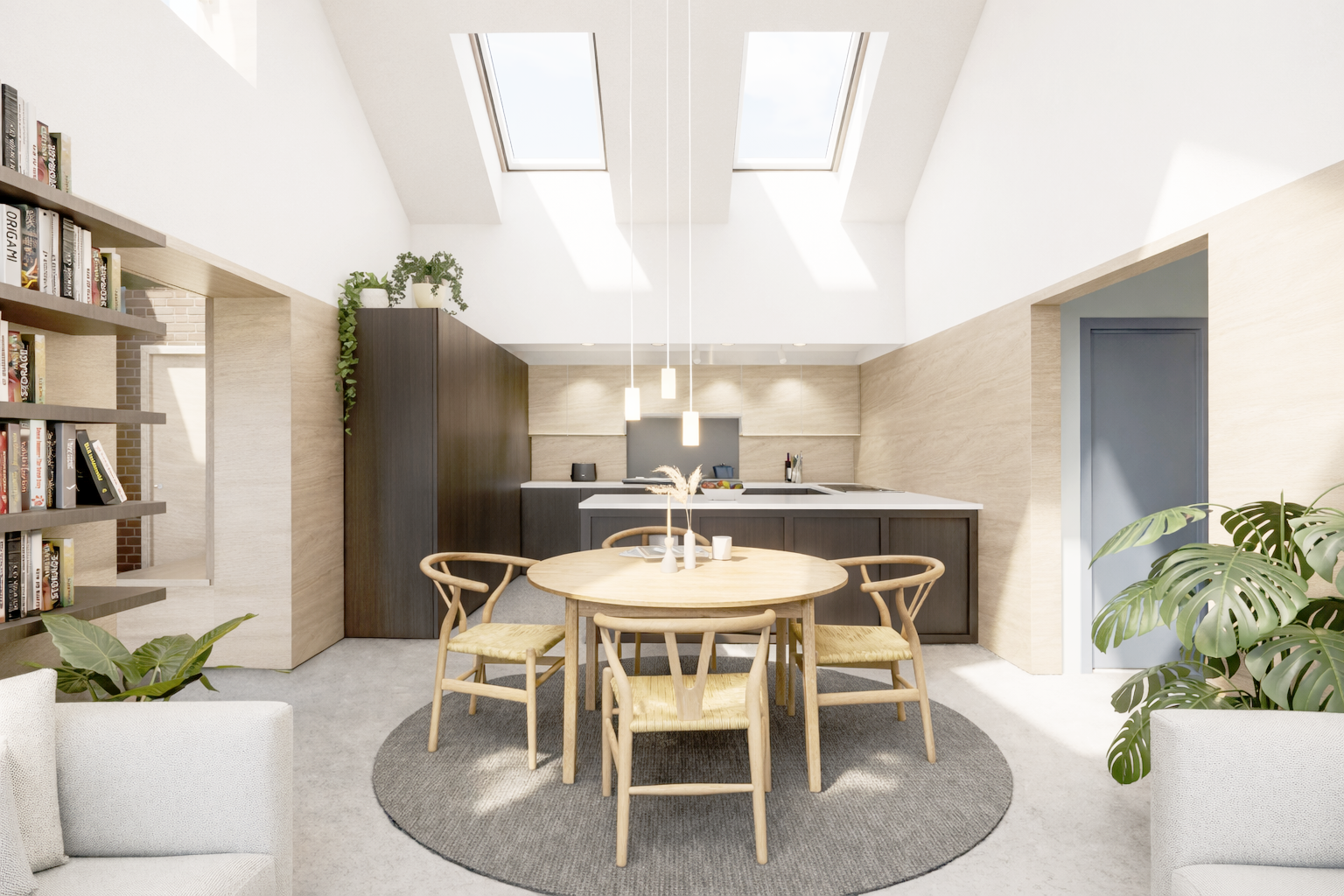
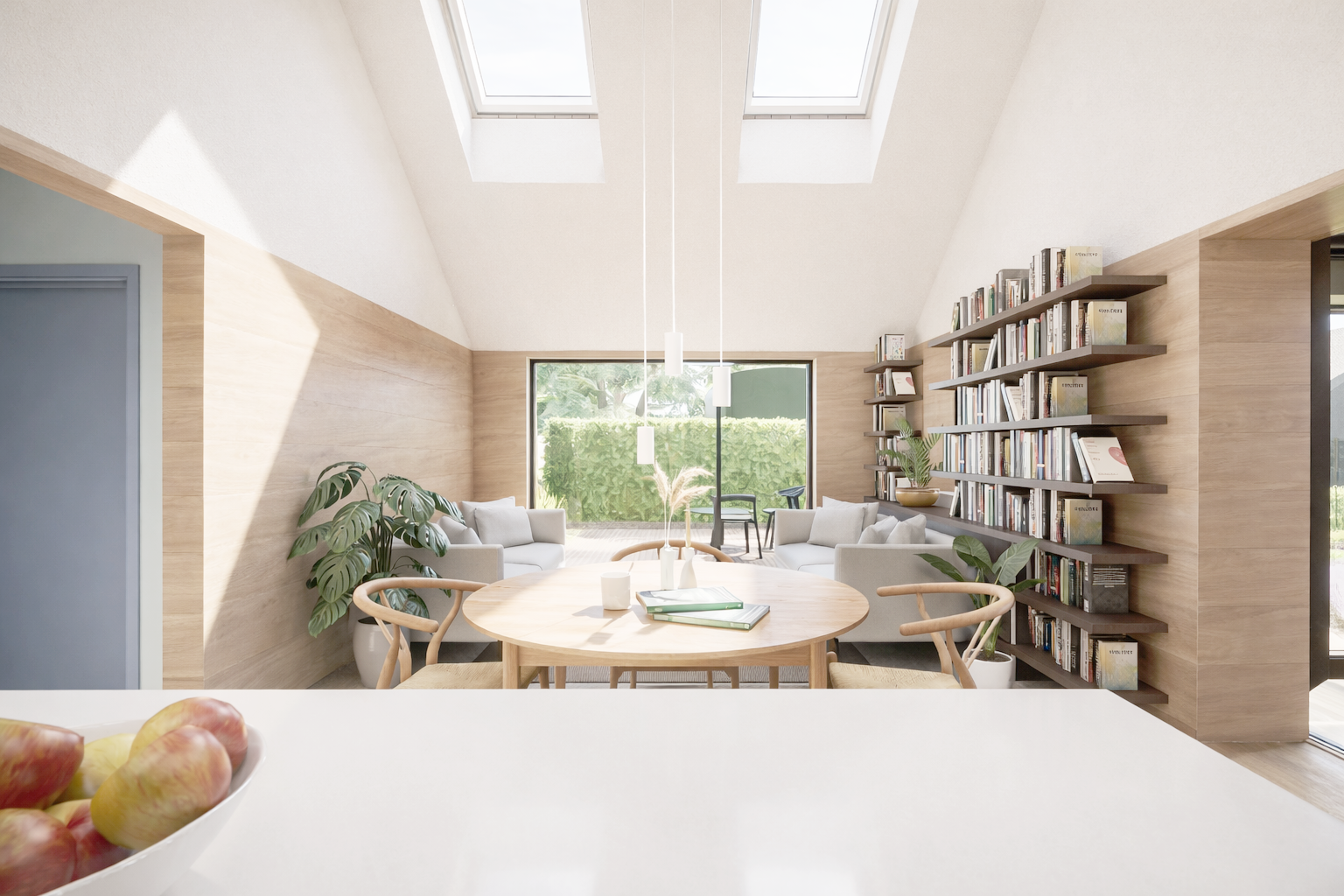
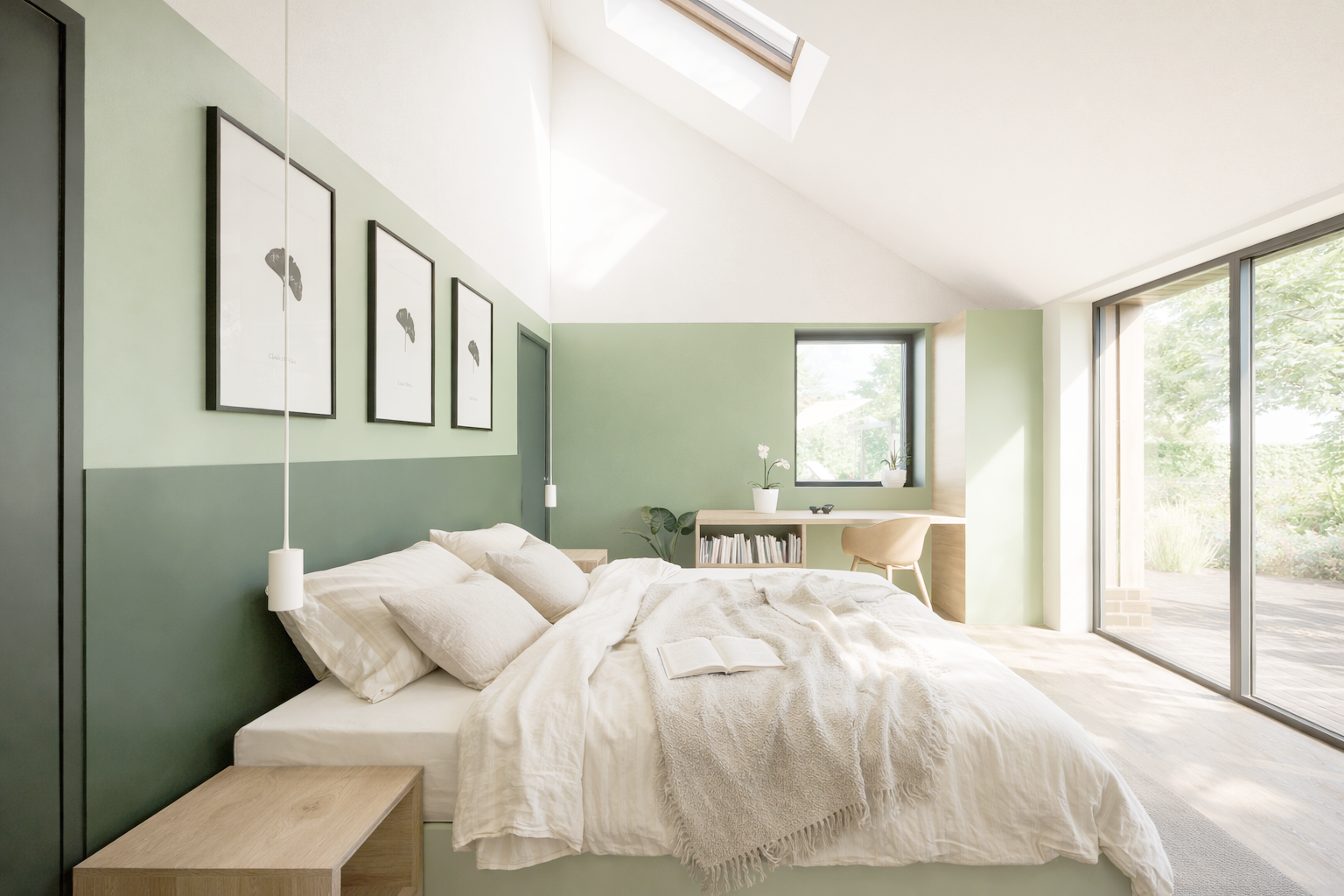
The approved scheme introduces a modest yet high-quality extension that provides new living accommodation, including an open family living space, boot room, utility, family bathroom, and two additional bedrooms, including a master suite with ensuite. Alongside this, the original cottage is sensitively restored to accommodate two further bedrooms and two reception rooms, ensuring the historic fabric is preserved while supporting the life of a growing family.
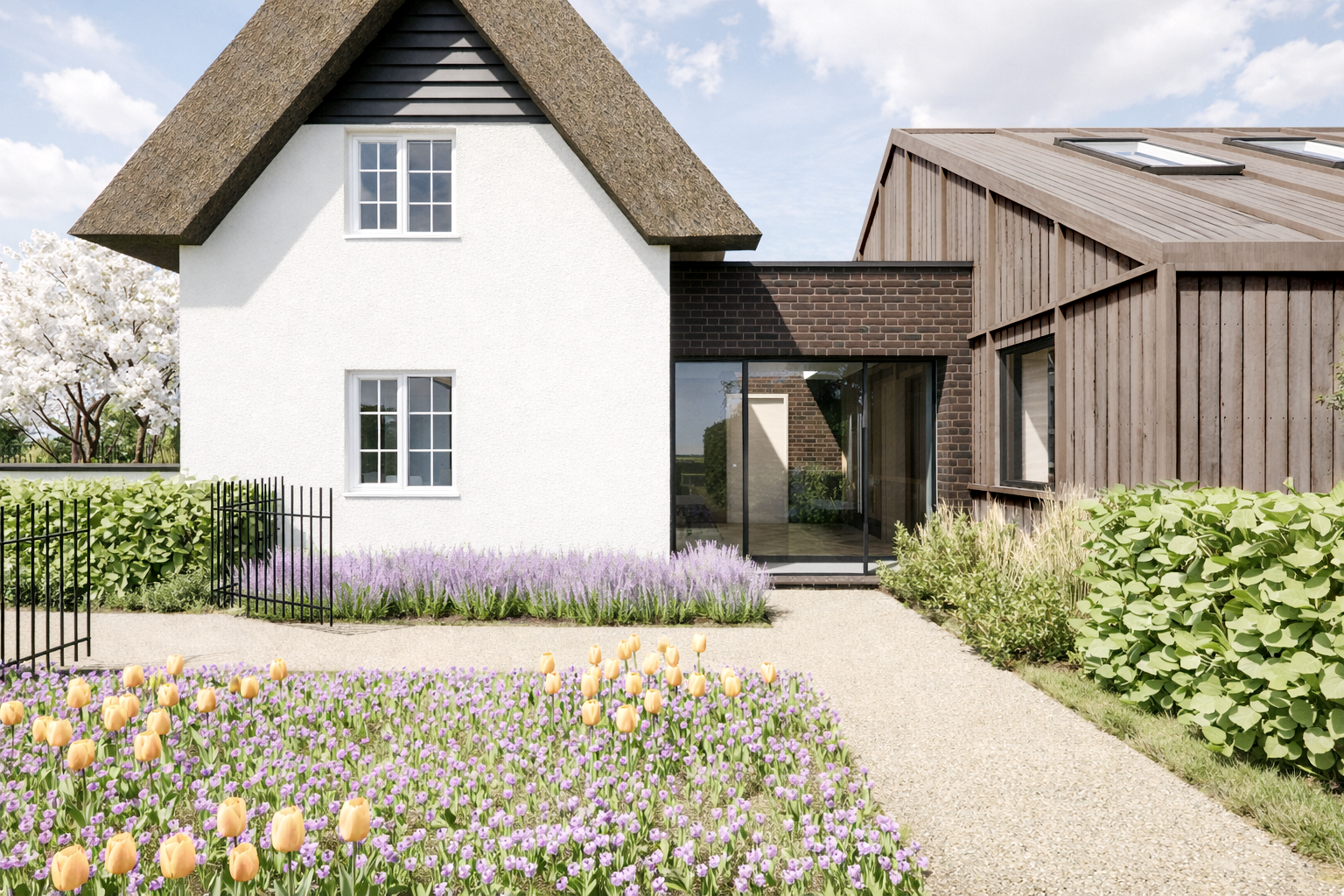
“Chivers Cottage ultimately demonstrates that high-quality design can unlock the potential of constrained sites. Through careful consideration of listed building consent, Green Belt policy, and sensitive architectural intervention, the project delivers a sustainable and enduring family home that respects both its heritage and its landscape setting.”
Chivers Cottage, Cambridgeshire
Project Description
Chivers Cottage is the sensitive transformation of a traditional listed thatched cottage, located within the Green Belt in Cambridgeshire. The project responds to the dual challenges of heritage protection and restrictive planning policy, demonstrating how a carefully designed extension can preserve historic character while enabling sustainable, long-term occupation.
At its core, the brief sought to reconcile two competing needs: the conservation of a valued heritage asset and the creation of a practical, comfortable home for modern family life. The existing cottage, rich in character but limited in functionality, required a considered approach that would safeguard its significance while addressing spatial and performance limitations.
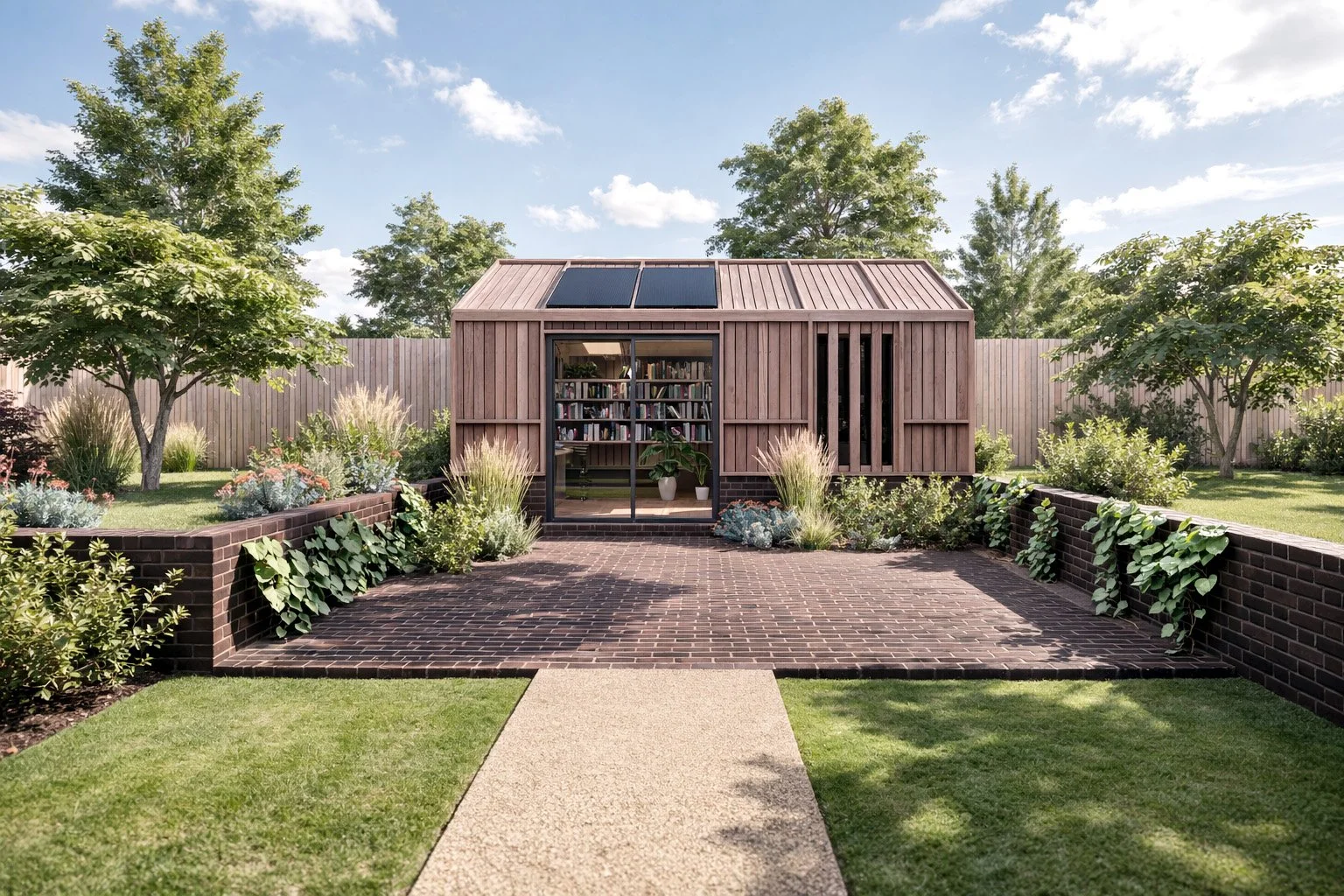
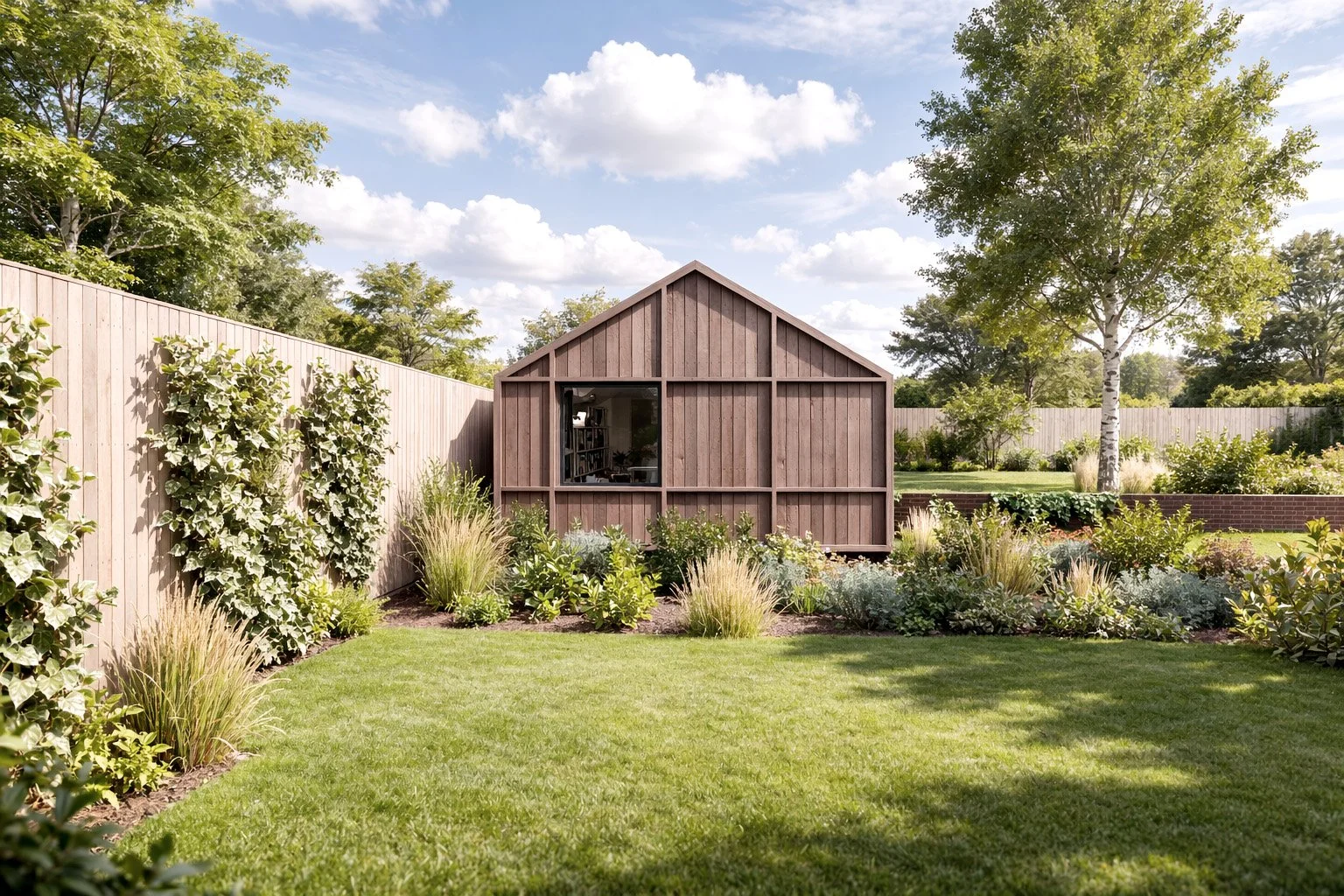
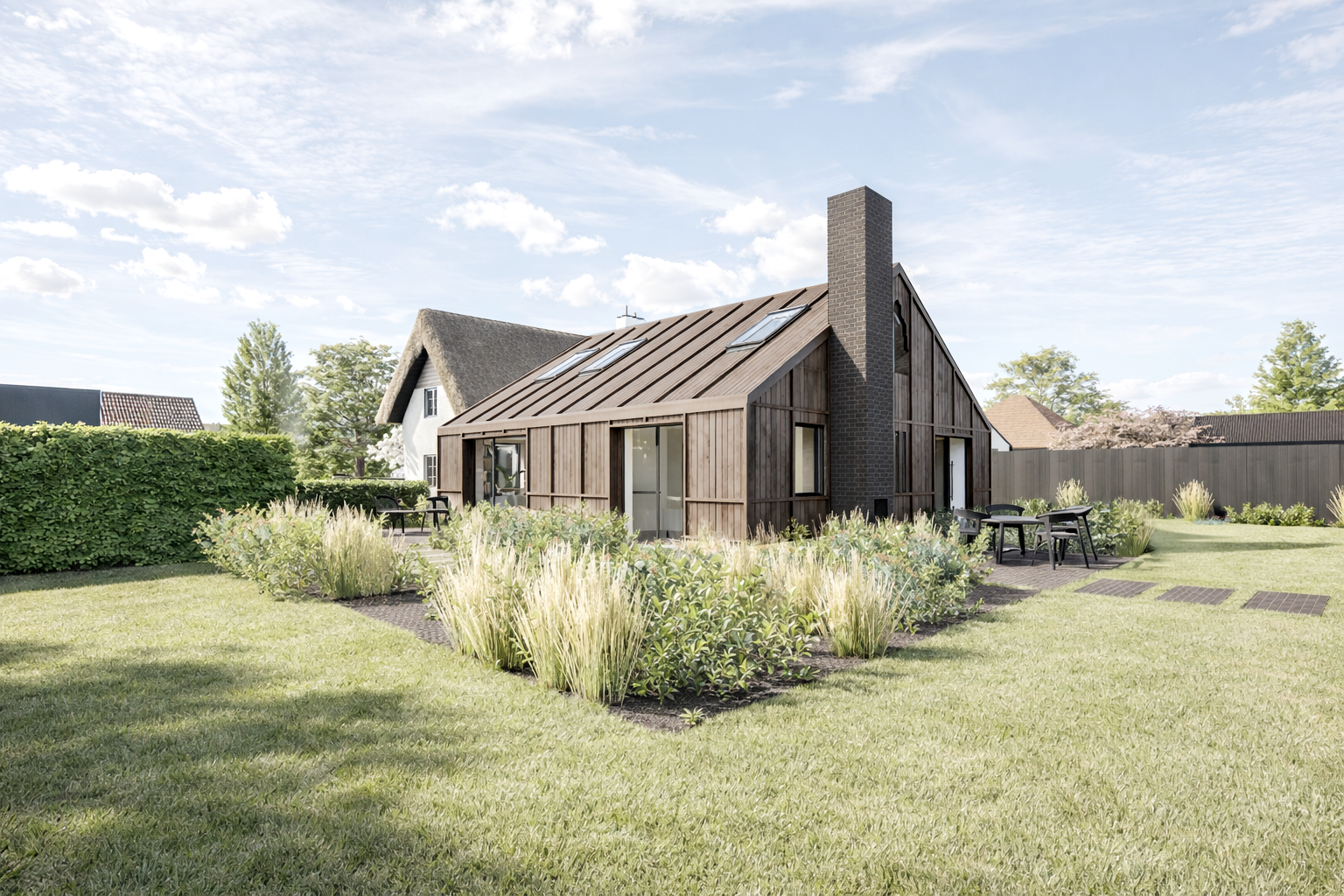
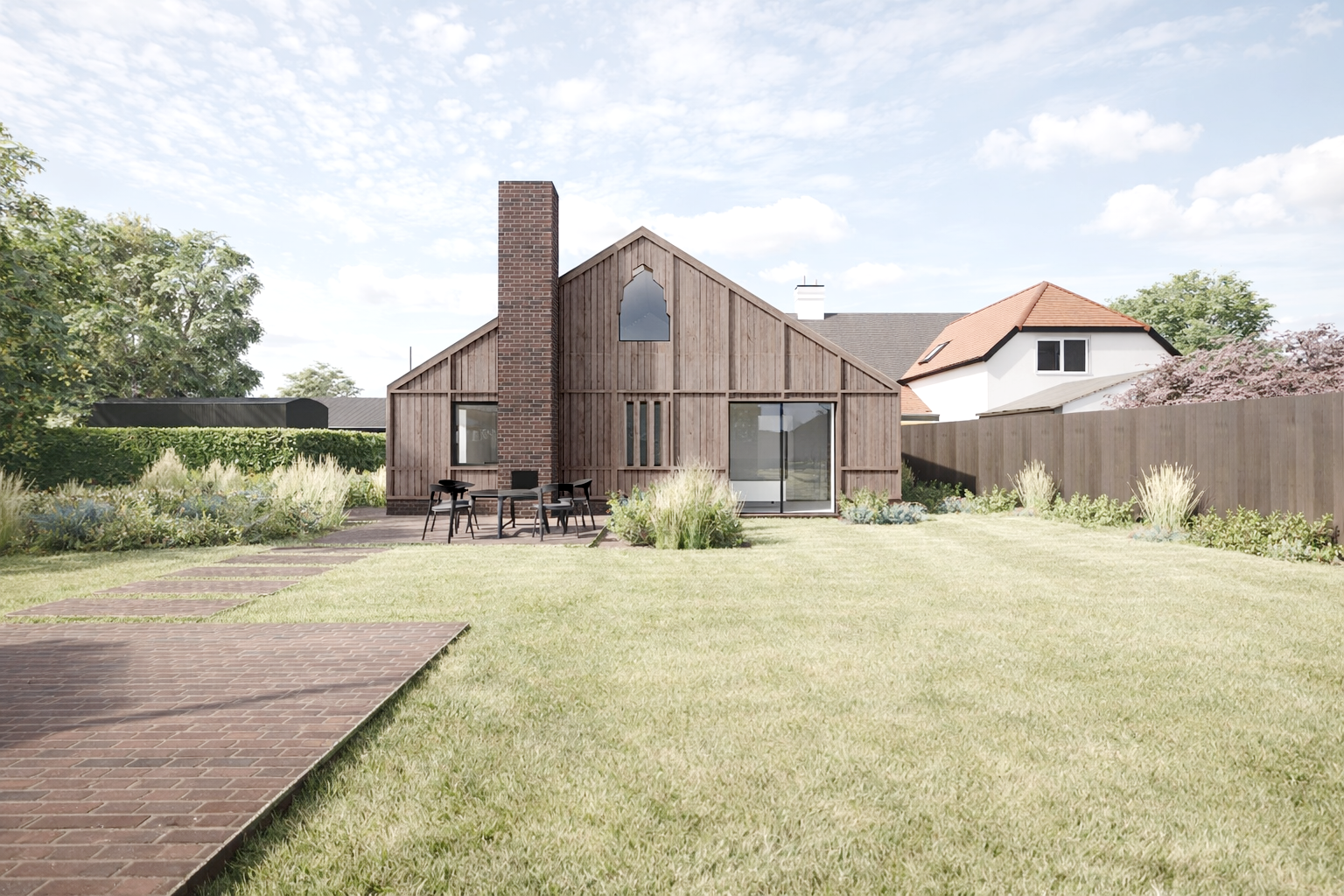
The design strategy centres on a modest, well-proportioned extension that remains subservient to the original building. Its form, scale, and material palette have been carefully developed to complement the listed cottage without competing with it. The extension is clearly legible as a contemporary addition, yet rooted in the language of the existing rural architecture.
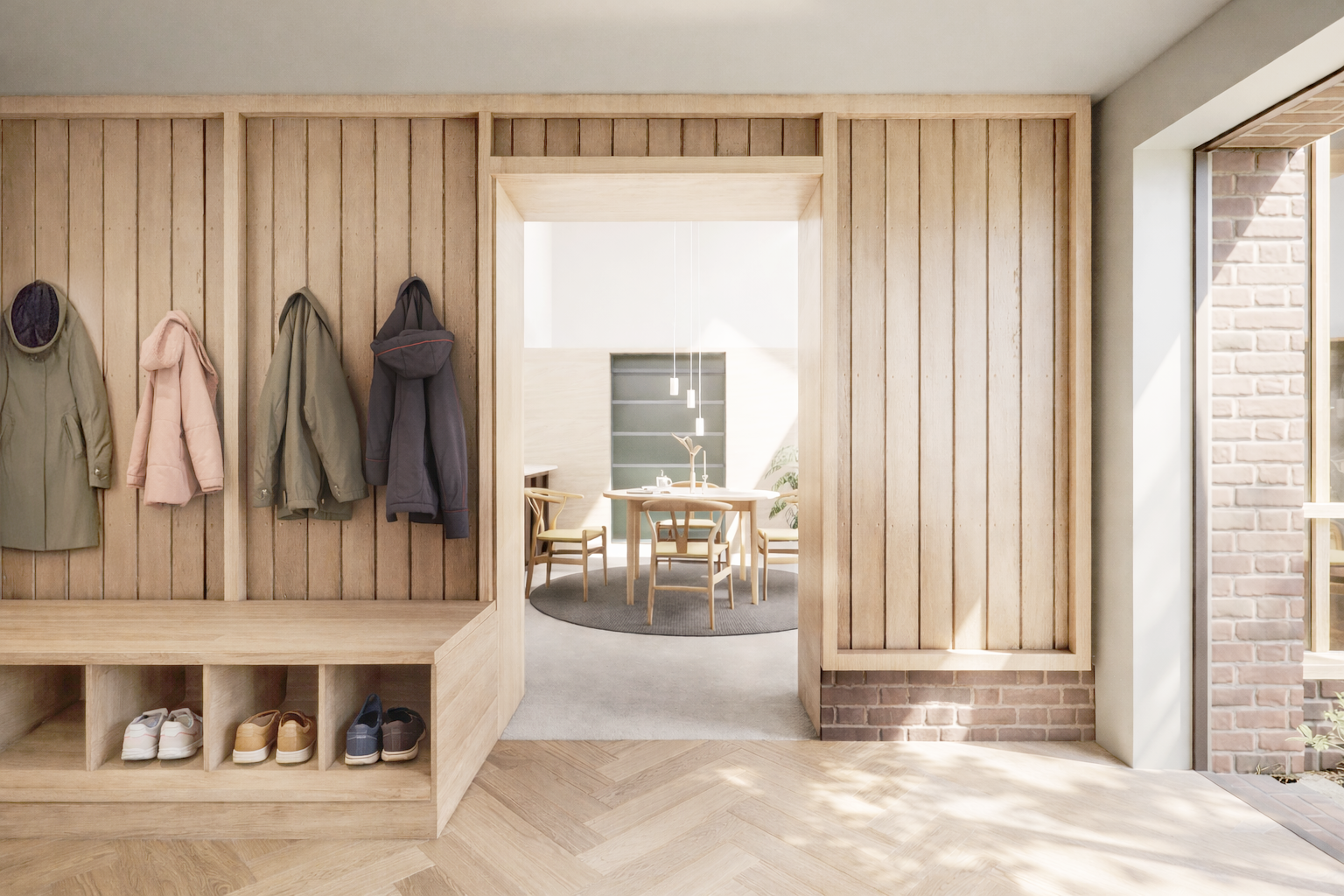
The new accommodation provides a generous family living space that opens onto the surrounding landscape, alongside a boot room and utility area that support day-to-day rural living. Two additional bedrooms are introduced, including a master suite with ensuite, allowing the home to function effectively for a growing family.
Within the original cottage, a programme of careful restoration is proposed to retain and enhance historic fabric wherever possible. Traditional materials and construction techniques are prioritised, with repairs undertaken on a like-for-like basis in accordance with conservation principles. The reconfigured layout provides two further bedrooms and two reception rooms, ensuring that the building remains both usable and relevant without compromising its character.
From a planning perspective, the site’s location within the Green Belt required a clear demonstration that the proposal preserves openness and does not result in inappropriate development. The extension has therefore been designed to be proportionate, with limited visual impact on the wider landscape. Its siting and form reduce encroachment, while the enhancement of the existing building supports the continued use of the site without the need for more intensive development.
Internally, the design balances historic character with contemporary comfort. Existing features are retained and celebrated, while new interventions are carefully detailed to remain sympathetic yet distinct. The overall composition creates a layered home, where old and new coexist in a coherent and legible manner.
Chivers Cottage ultimately demonstrates that high-quality design can unlock the potential of constrained sites. Through careful consideration of listed building consent, Green Belt policy, and sensitive architectural intervention, the project delivers a sustainable and enduring family home that respects both its heritage and its landscape setting.