Edith’s Place.
Extension And Outbuilding For A Growing Family, Cambridge
“Edith’s Place is not about making a statement, but about making space: for family life, for daily rituals, and for a closer relationship between house and garden”
Edith’s Place Cambridge
Project Summary
Location: Cambridge
Type: Extension and Outbuilding
Size: 130sqm
Edith’s Place is a carefully considered transformation of a modest post-war semi-detached house at the end of a quiet cul-de-sac in Cambridge. The original house was practical but constrained, with a compartmentalised layout that limited daylight, flexibility, and connection to its generous rear garden.
House Form Architects were invited to help the clients reimagine the house as a calm, adaptable family home that could support everyday routines while allowing space to change over time. The project introduces a two-storey rear extension and a small front porch, alongside a comprehensive internal reorganisation, to create a home that feels lighter, more coherent, and more attuned to how the family lives.
Edith’s Place is not about making a statement, but about making space: for family life, for daily rituals, and for a closer relationship between house and garden
“Edith’s Place demonstrates how a modest suburban house and its garden setting can be reworked to support contemporary family life without losing a sense of scale or belonging. The project is defined not by its size, but by its attentiveness to everyday living: how rooms are used, how light moves through the house, and how home and work coexist within a coherent whole.”
Project Description
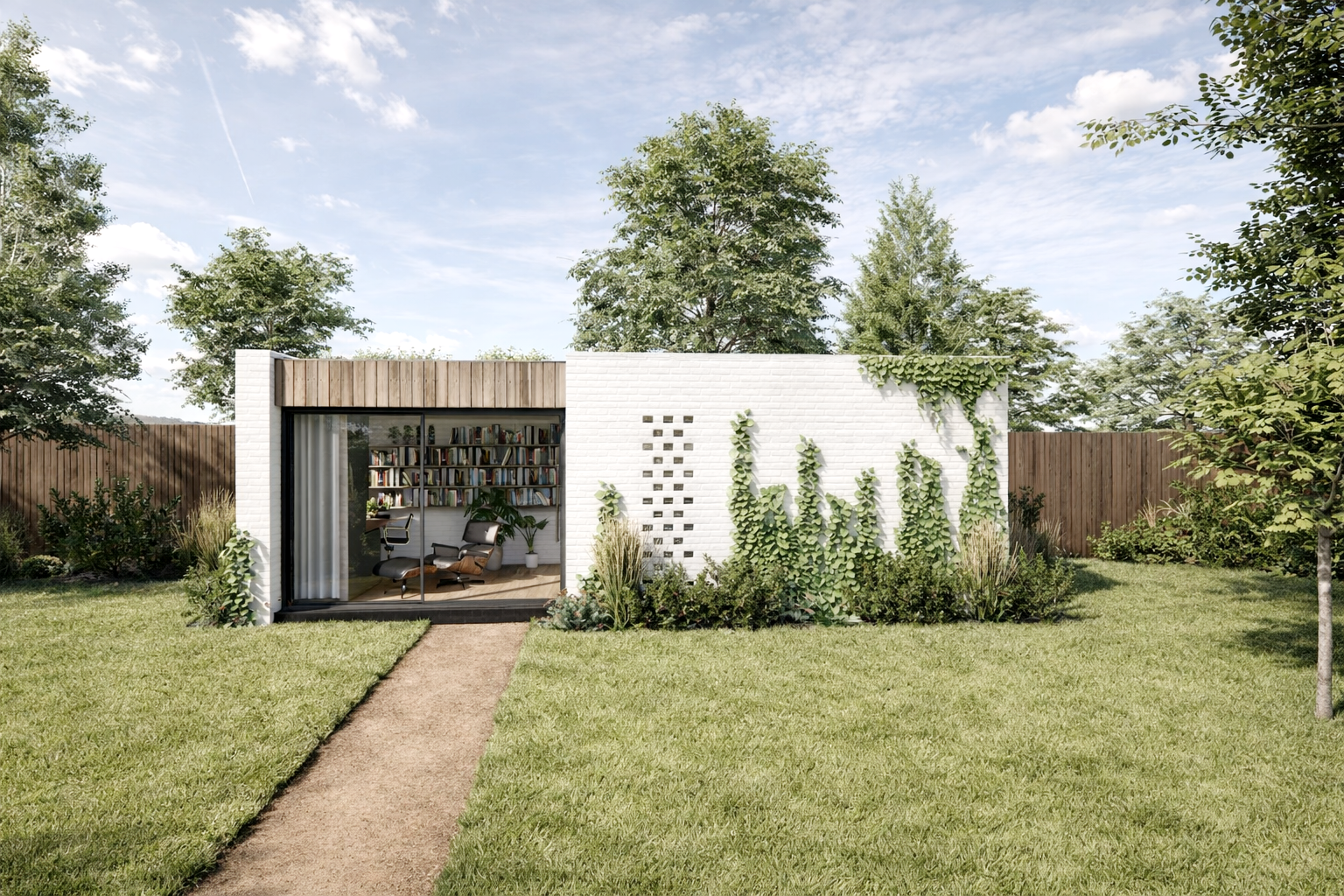
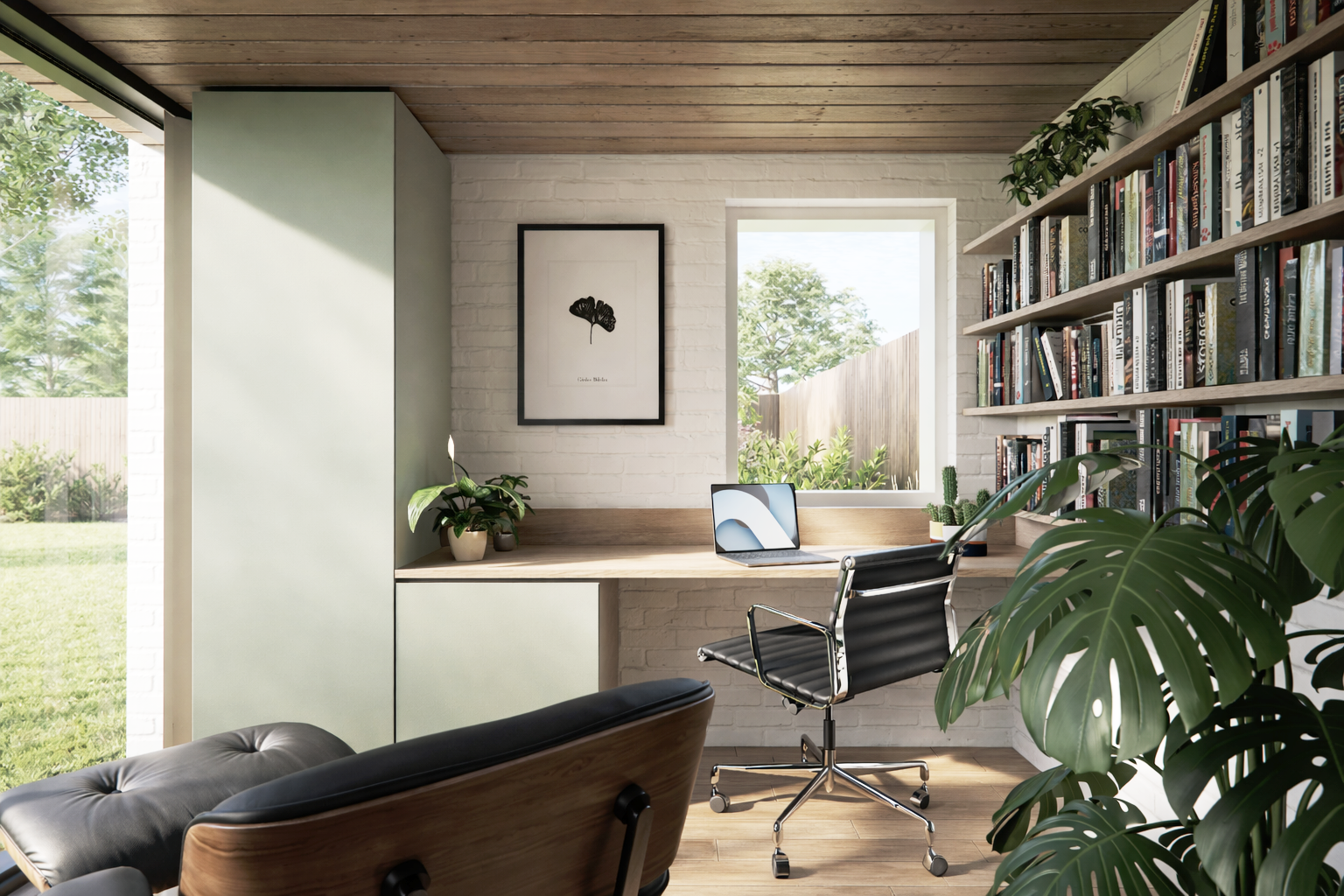
When House Form Architects first visited the house at Edith’s Place, it was clear that while the building sat on a generous plot, its internal arrangement did not make the most of that opportunity. The rooms were small and inward-looking, and the kitchen was disconnected from the garden that wraps around the rear of the site. The clients’ brief was not for excess space, but for better space: rooms that flow naturally, support family life, and adapt as needs change. This ambition extended beyond the house itself to include a substantial new outbuilding providing additional living accommodation in the form of a dedicated home office with integrated garage storage.
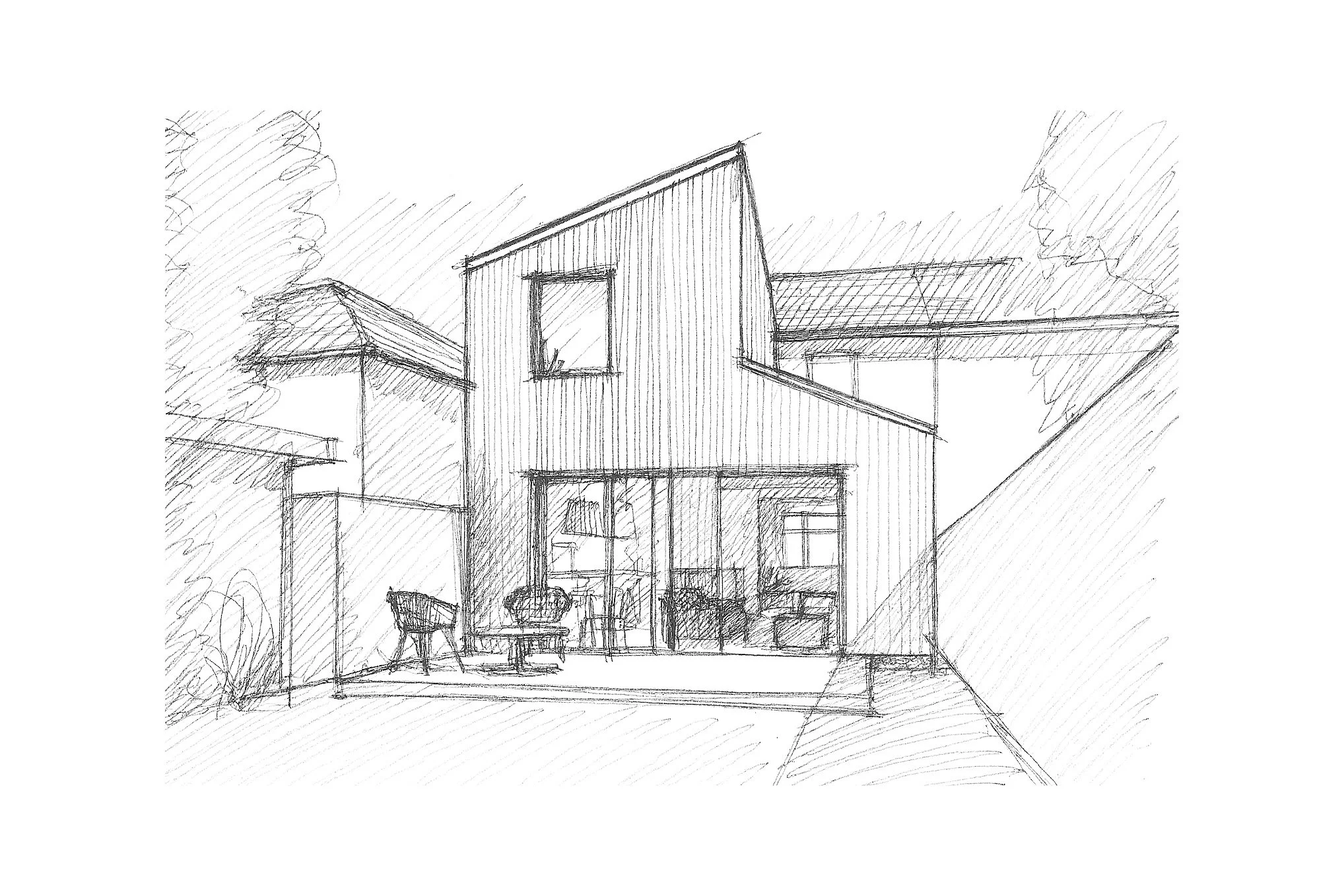
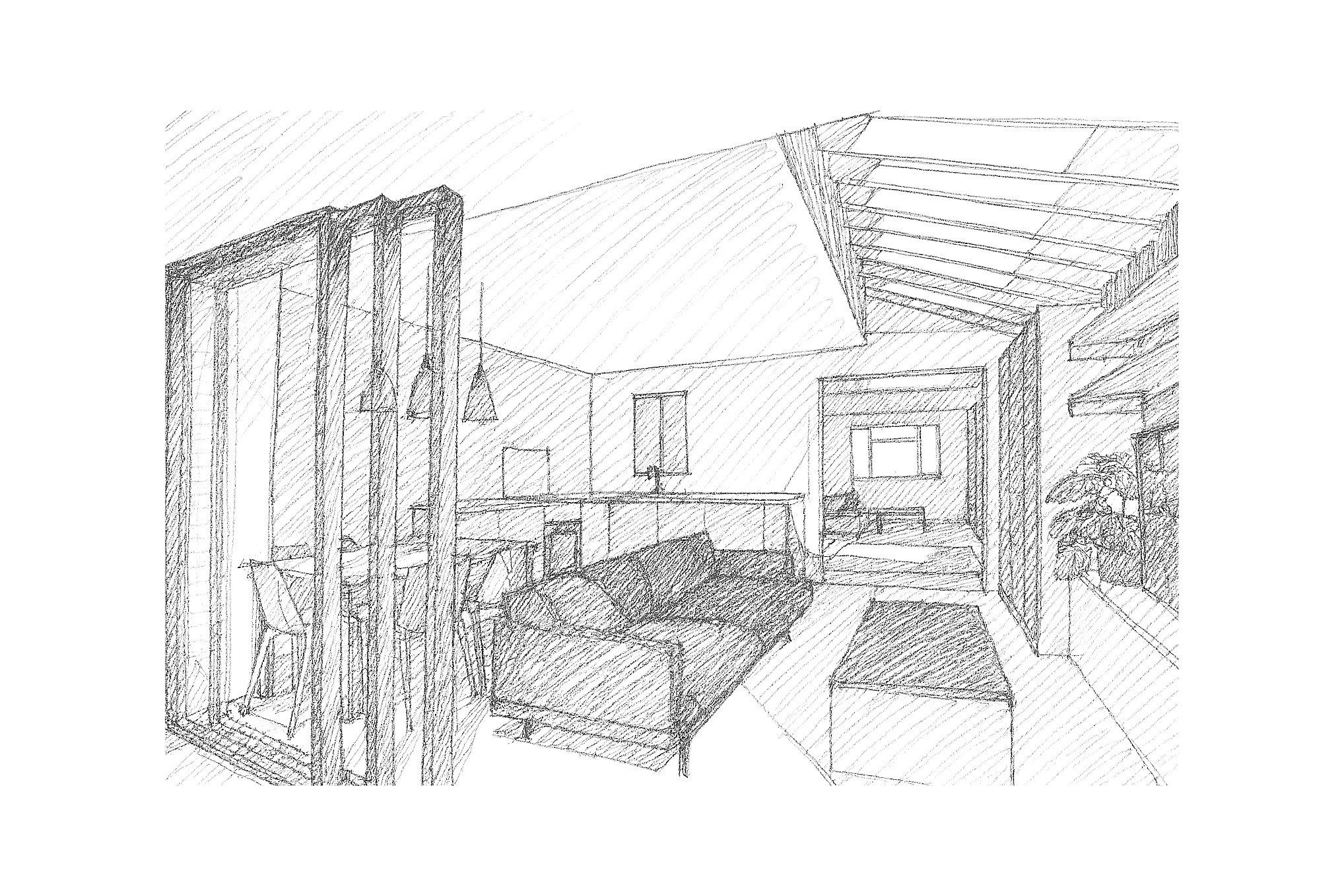
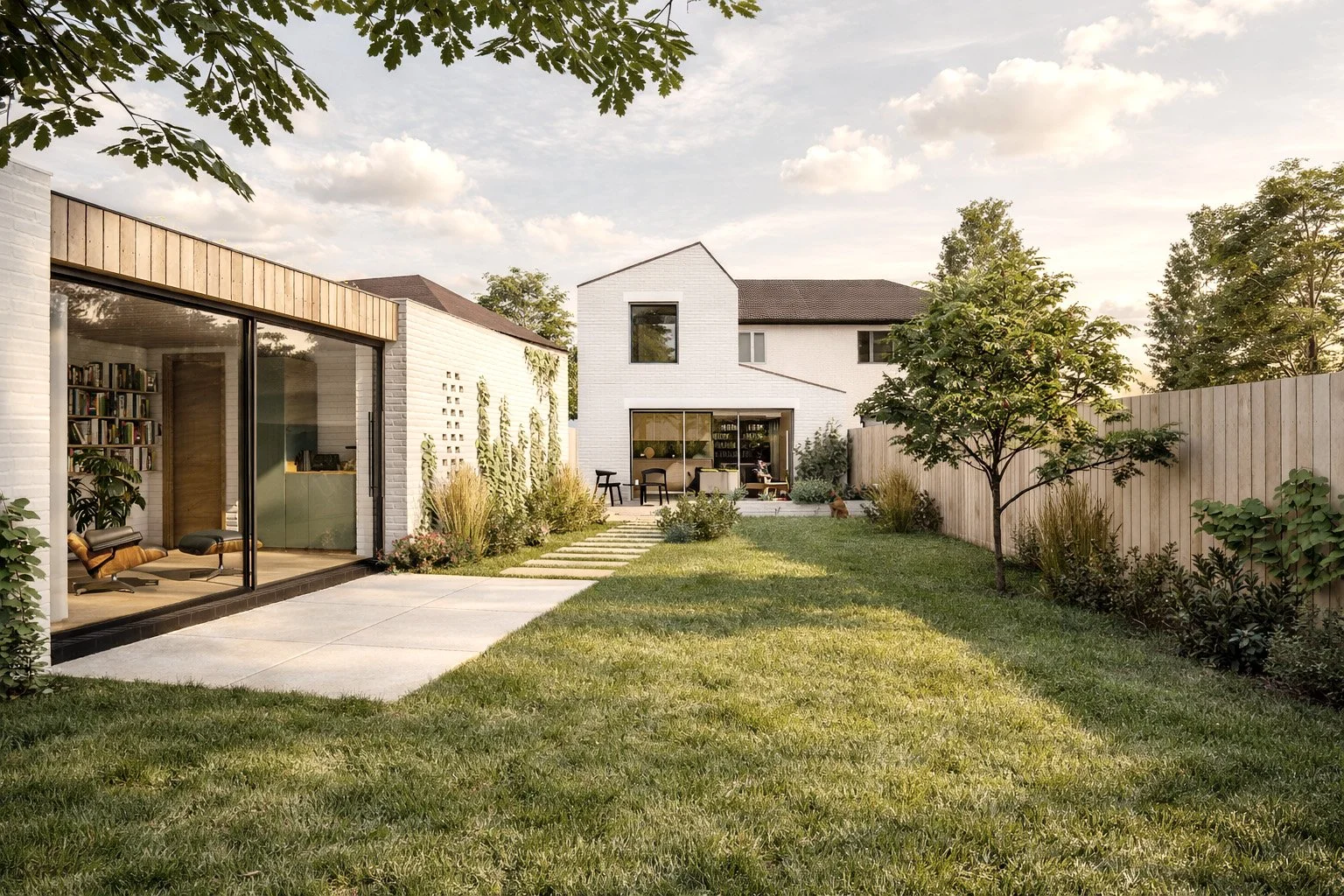
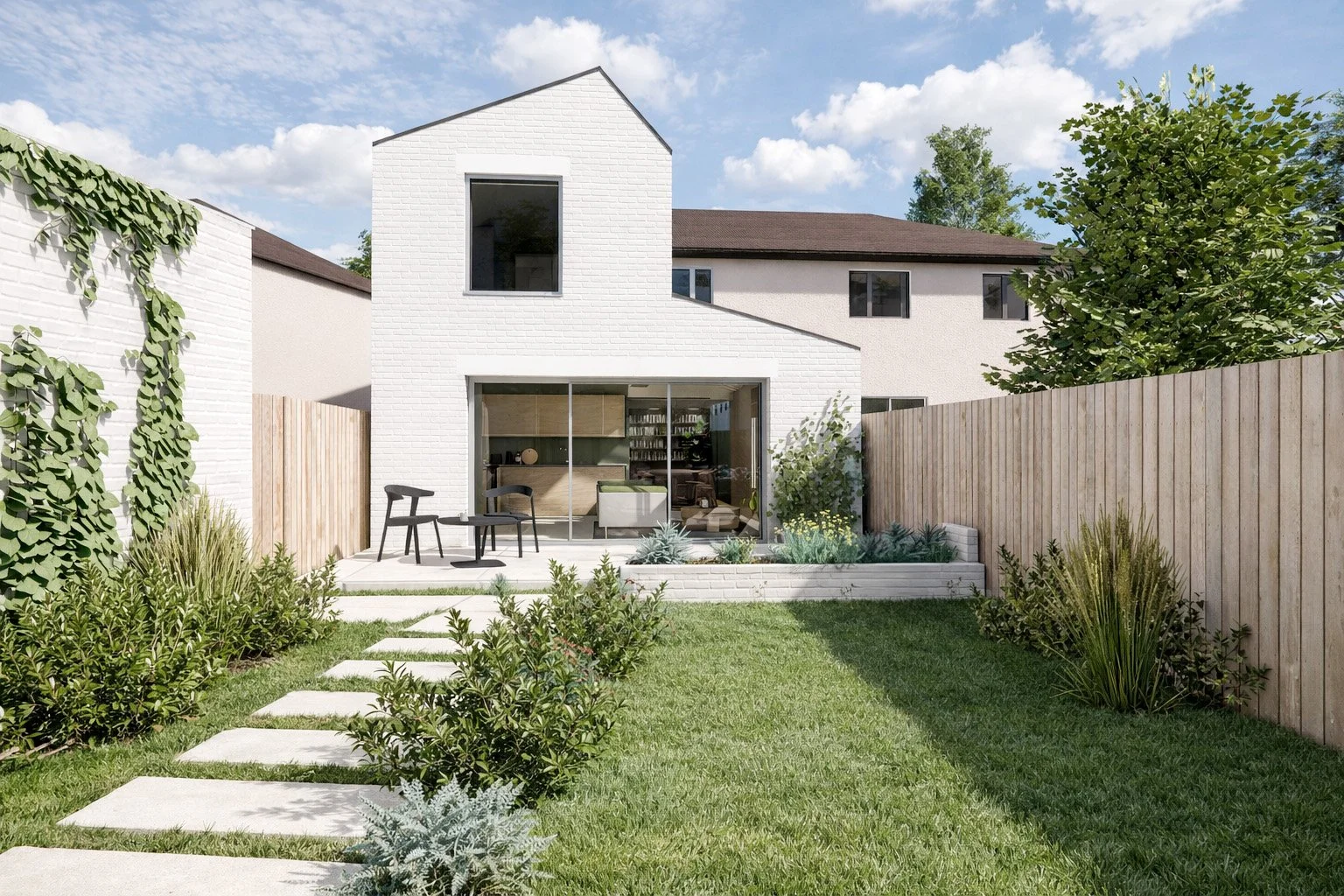
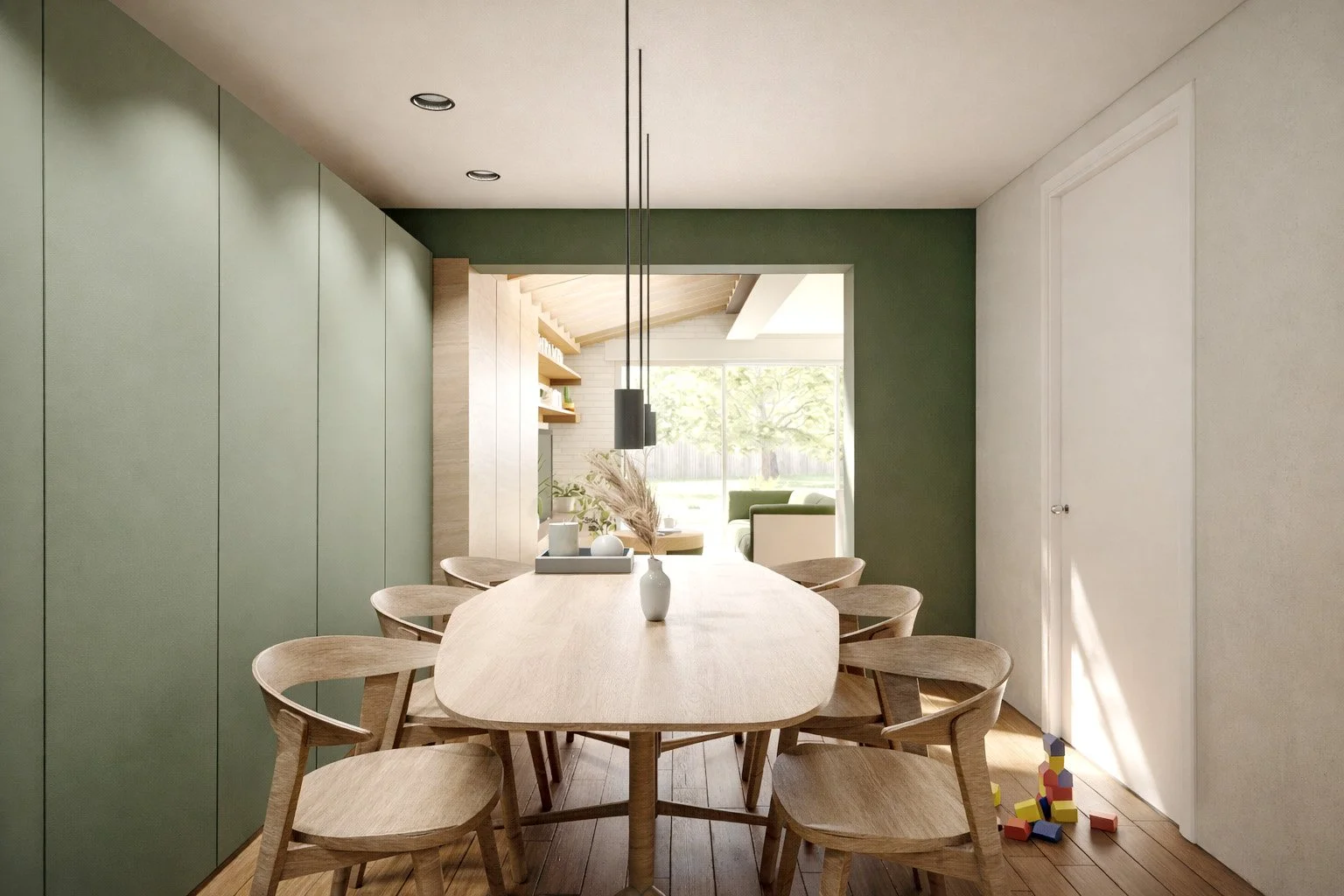
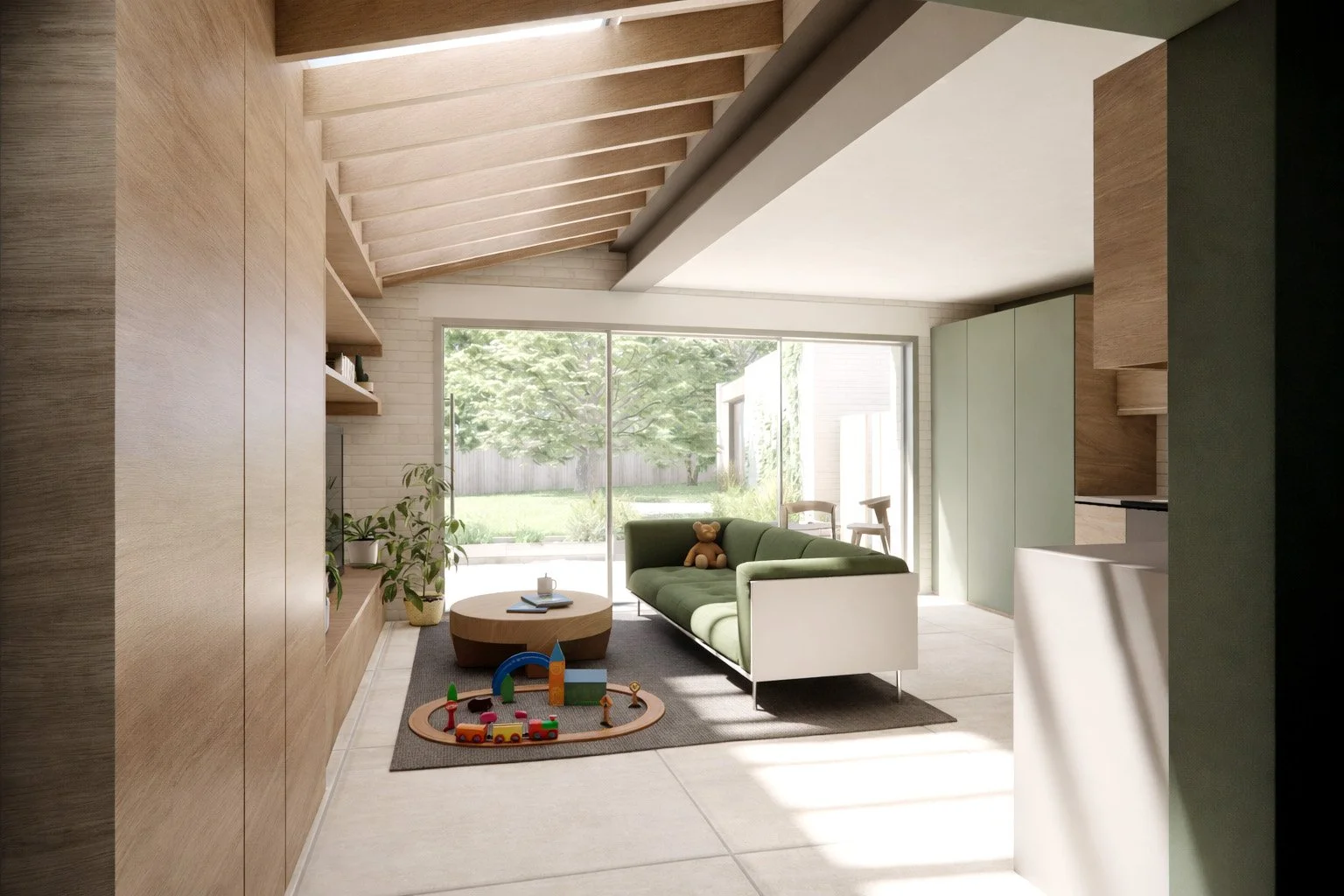
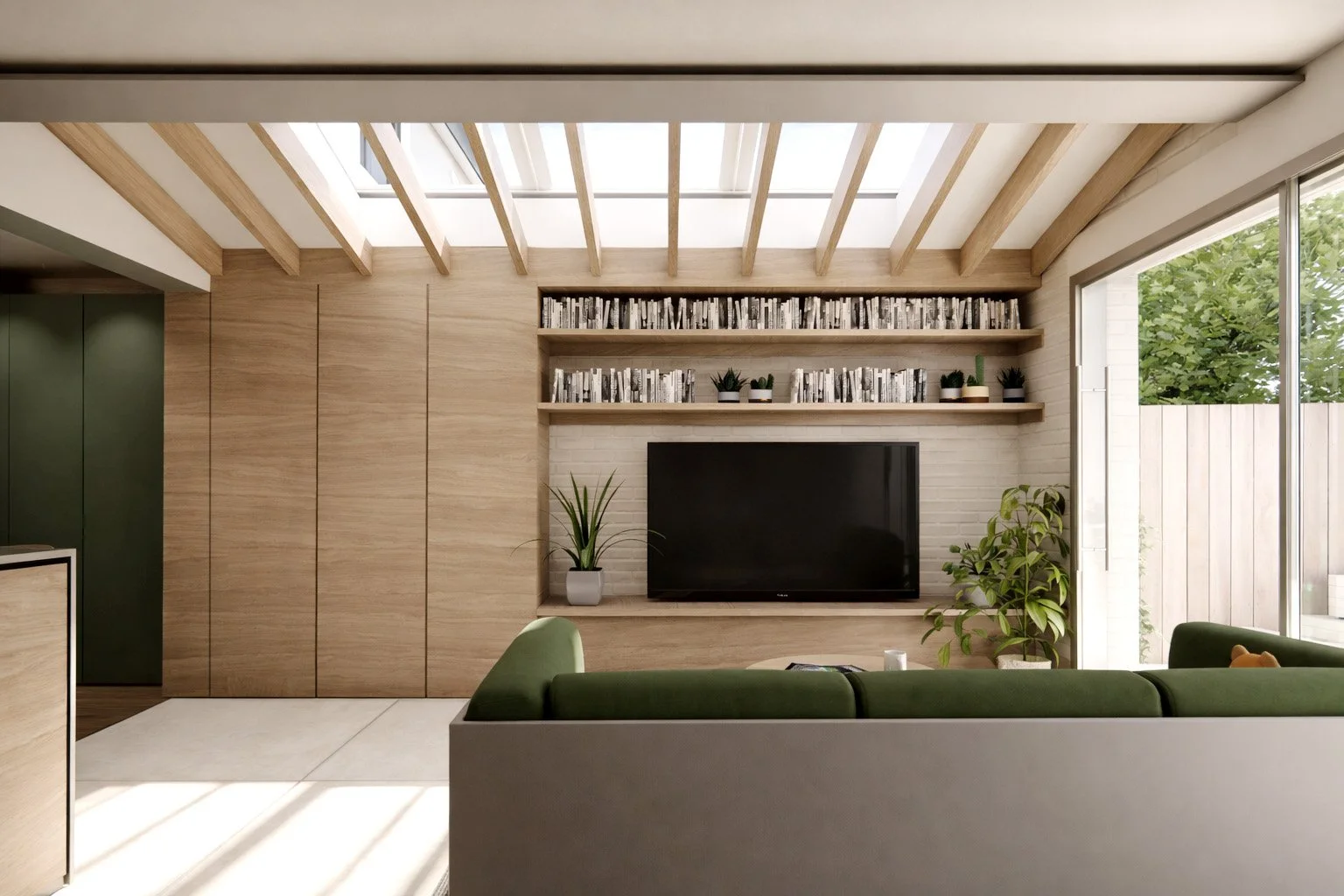
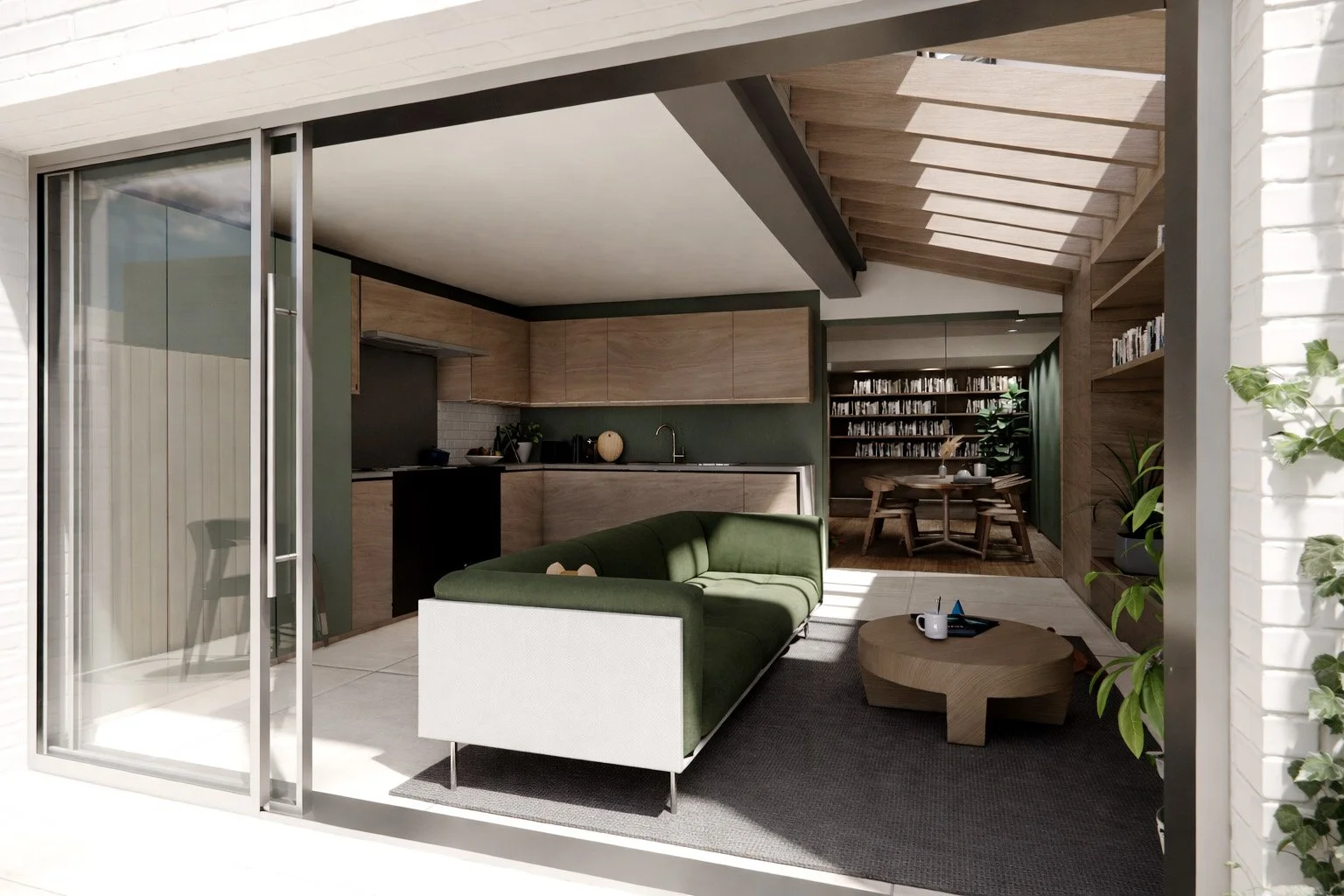
The design process began by understanding how the house was used day to day. Inspired by a humane, lived-in approach to domestic architecture, the proposal establishes a clear spatial hierarchy rather than a series of oversized rooms. At ground floor, a new full-width rear extension forms a shared kitchen, dining and living space at the heart of the home. This room opens directly onto the garden, drawing daylight deep into the plan and encouraging daily movement between inside and out. The garden setting is further activated by the new outbuilding, positioned to define the rear boundary and create a purposeful relationship between work, storage and landscape.
Internally, the existing layout has been carefully reworked rather than erased. A front living room remains as a quieter, more contained space that can double as guest accommodation. The former kitchen is repurposed to provide utility, laundry and shower facilities, improving the practical functioning of the house without unnecessary expansion. Circulation has been simplified so movement feels intuitive and calm.
At first floor, the extension creates a new principal suite accessed through a generous dressing area and study, allowing the existing bedrooms to remain largely intact while providing a more private retreat. The stepped form of the extension, reduced in width at
upper level, ensures the additional accommodation sits comfortably within the original massing and avoids overbearing neighbouring properties.
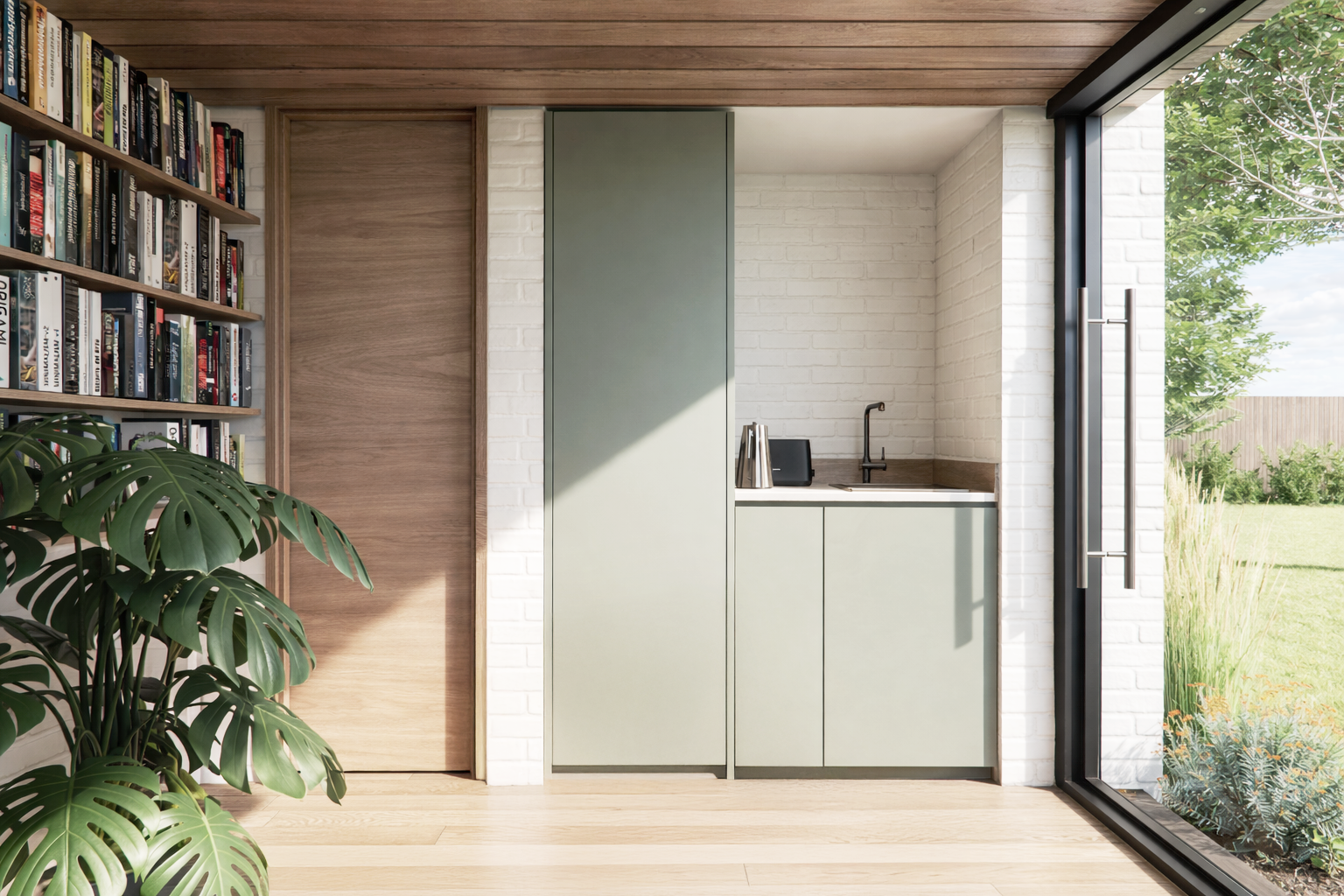
The rear outbuilding is conceived as a robust garden structure rather than an ancillary afterthought. It accommodates a self-contained home office and generous integrated garage storage, supporting flexible working and long-term adaptability. Its scale and material treatment respond to the main house while maintaining a clear secondary character.
Material choices across the scheme reinforce its quiet character. Light-painted brickwork, standing seam zinc roofing and muted aluminium-framed openings have been selected for durability and clarity, allowing new elements to sit comfortably alongside the existing fabric. These materials are intended to weather gently, supporting longevity rather than novelty.
Careful regard has been given throughout to planning policy, Building Regulations and neighbourly impact. The extensions and outbuilding are designed to meet current energy efficiency standards, with upgraded insulation, high-performance glazing and carefully detailed junctions to reduce heat loss. While the existing precast concrete structure is not comprehensively upgraded, the new work improves overall performance and allows for future low-carbon technologies to be introduced if required.
Edith’s Place demonstrates how a modest suburban house and its garden setting can be reworked to support contemporary family life without losing a sense of scale or belonging. The project is defined not by its size, but by its attentiveness to everyday living: how rooms are used, how light moves through the house, and how home and work coexist within a coherent whole.