
Developing in the Green Belt: Chivers Cottage 31.03.26
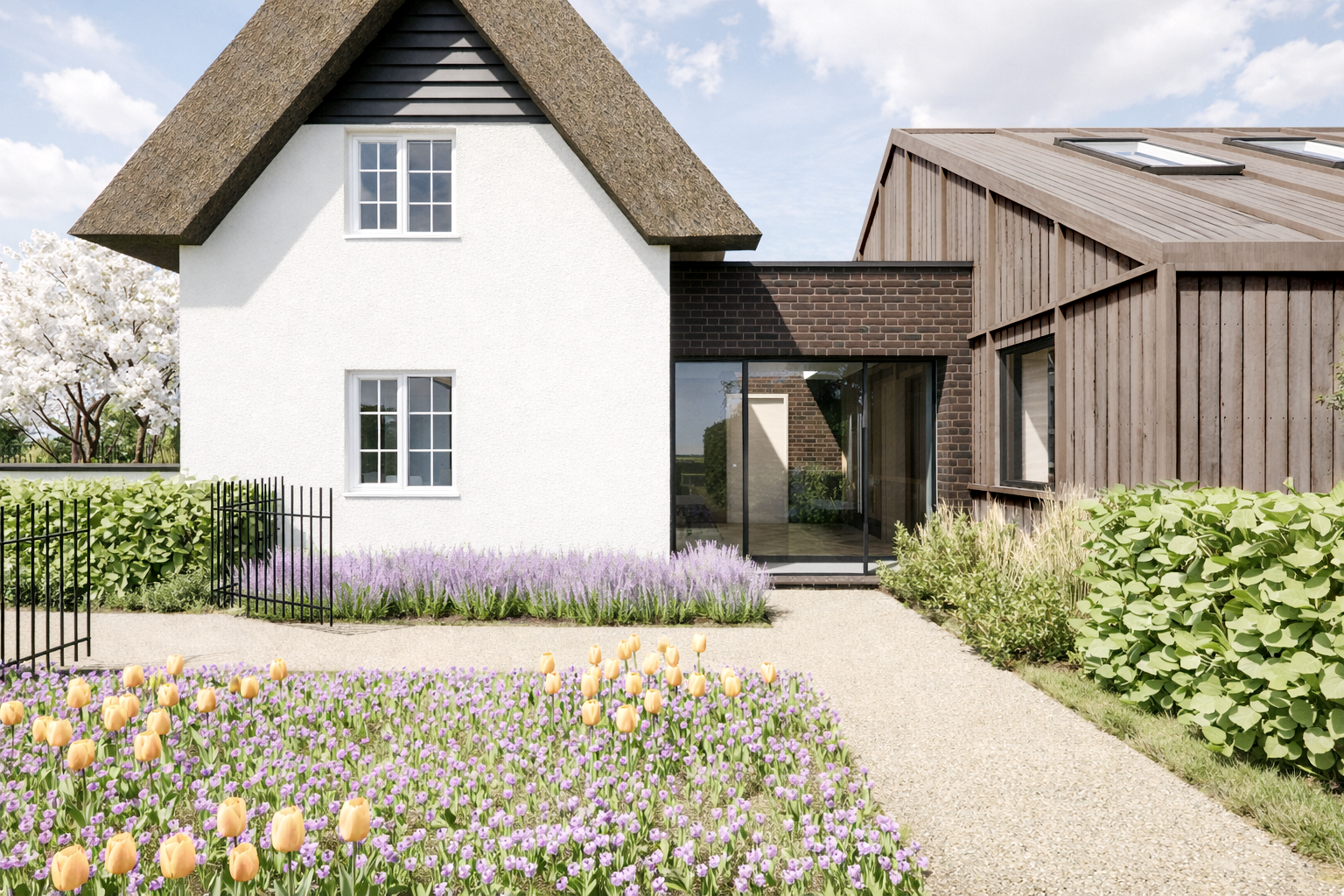
Connection To Listed Building - Chivers Cottage, Cambridgeshire
Building or extending a home within the Green Belt is never straightforward. The policies are intentionally strict, designed to protect openness and prevent urban sprawl. Yet, as our project, Chivers Cottage in Cambridgeshire demonstrates, design and a collaborative approach can unlock development even in the most constrained contexts.
Green Belt policy centres on one principle, maintaining openness. As a result, most forms of development are considered “inappropriate” unless they meet specific exceptions. Extensions, for example, are only acceptable when they are not a “disproportionate addition” to the original building. Many local planning authorities interpret this as a limit of roughly 50-60% additional floor space or volume.
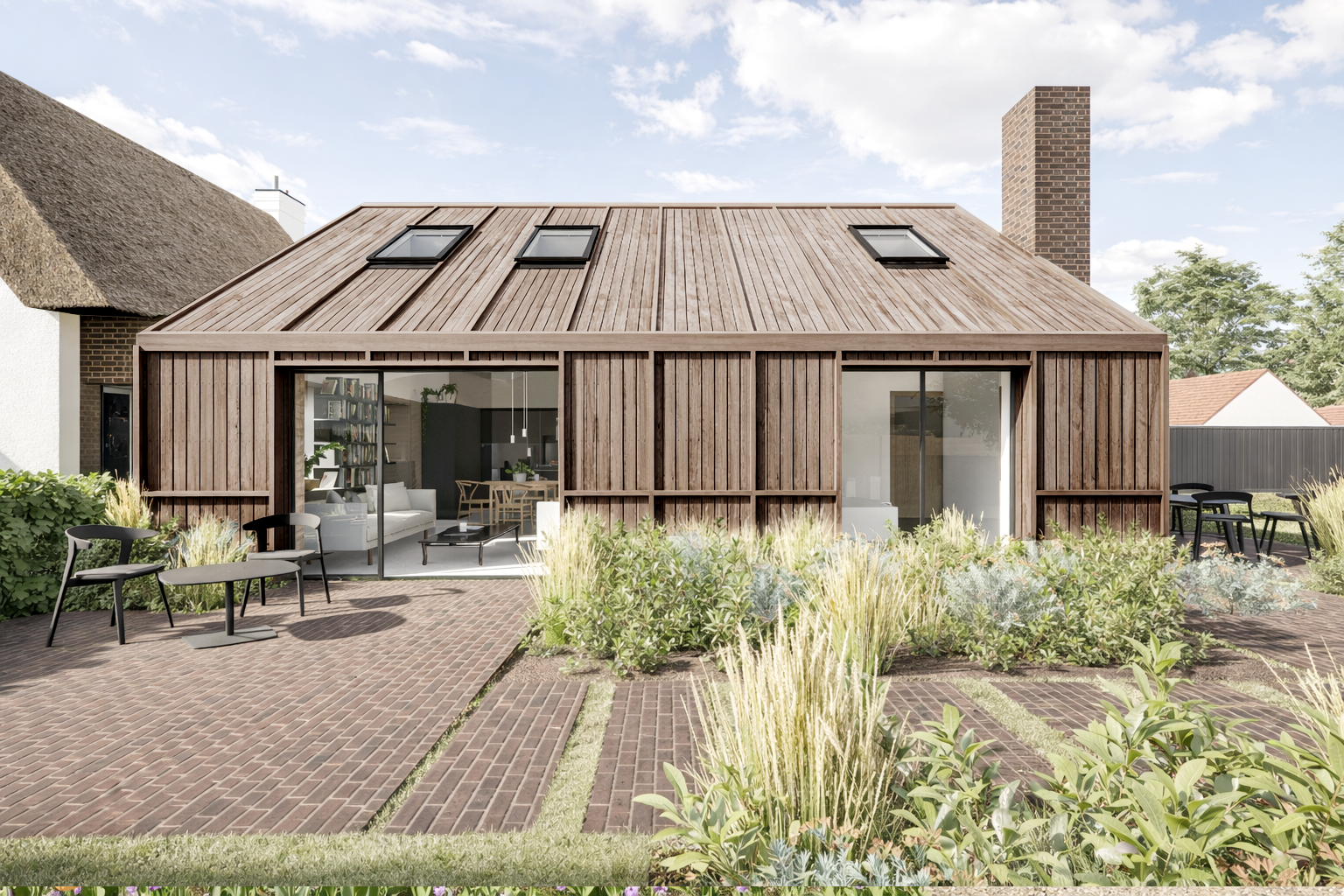
Subservient Contemporary Extension - Chivers Cottage, Cambridgeshire
Other key considerations include:
Replacement buildings must not be significantly larger than what they replace and should follow the existing footprint and function.
Infill development is only permitted in limited circumstances, usually to meet local housing needs within established village boundaries.
Very special circumstances may justify development that harms openness, but only when the benefits clearly outweigh the harm, such as delivering affordable housing or redeveloping brownfield land.
Permitted development rights do exist, but they are more restricted in the Green Belt and listed buildings lose many of these rights entirely.
High quality design is essential. Even small extensions must demonstrate they don’t harm the character of the area.
Given the complexity, professional advice is invaluable. At House Form, we are familiar with local planning authorities and can help interpret what “disproportionate” means in practice, and shape proposals that stand a realistic chance of approval.
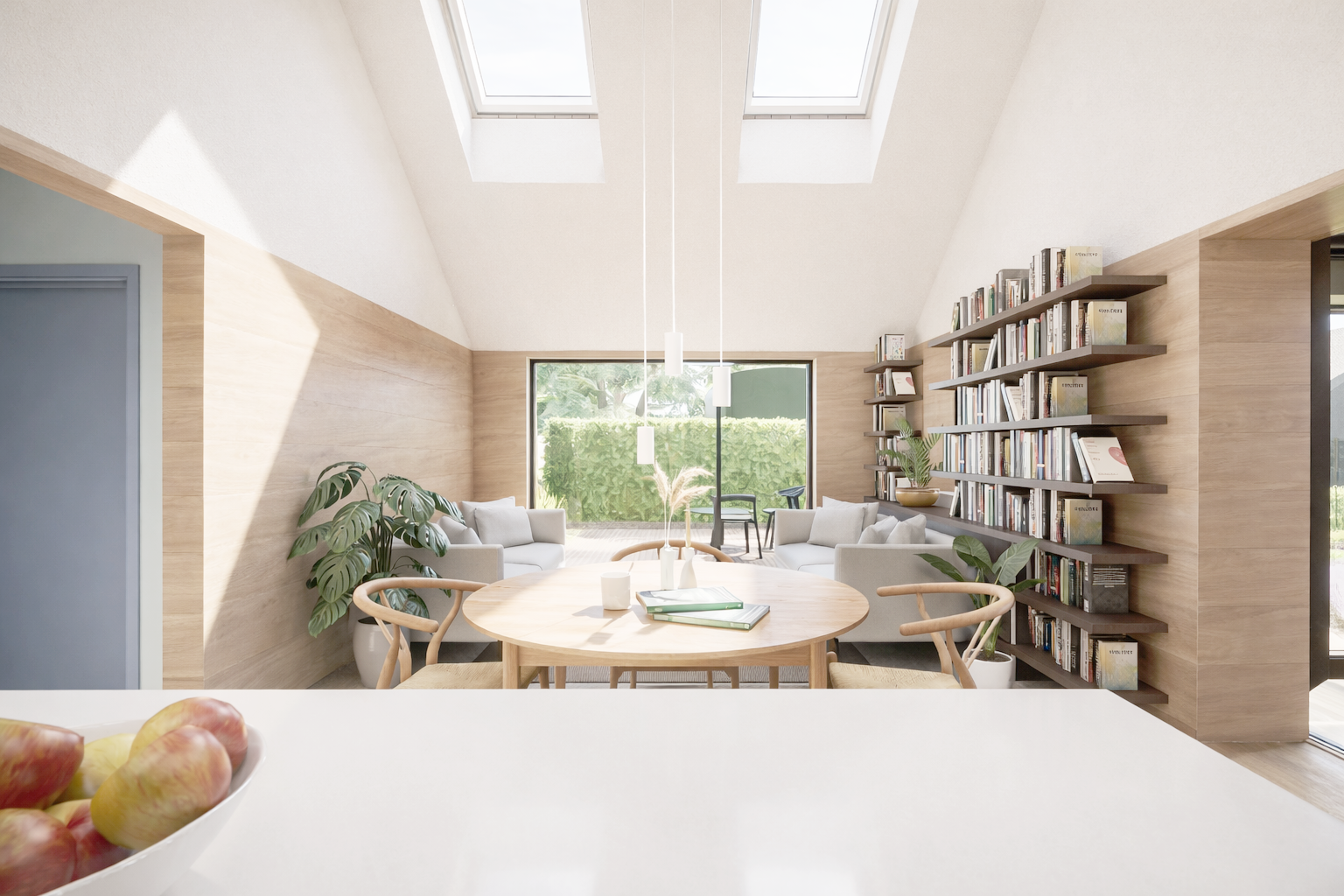
Contemporary Spaces For Modern Family Life - Chivers Cottage, Cambridgeshire
Take Chivers Cottage, for example. It sits within the Cambridgeshire Green Belt and carries the added layer of being a listed thatched cottage. Any proposal here needed to satisfy both heritage and Green Belt policy, two of the most demanding planning frameworks in England, but we managed to make it happen.
The design introduces a modest, high-quality extension that provides much needed contemporary living space including an open family area, boot room, utility, family bathroom and two new bedrooms, including a master suite with ensuite. The original cottage is restored to accommodate two further bedrooms and two reception rooms, preserving its historic material while supporting modern family life.
Rather than competing with the historic structure, the extension adopts a subservient and complementary approach to scale. The design also respects the openness of the Green Belt, demonstrating that considered development can sit within its landscape context.
If you’re working on a complex development and could use some support, please don’t hesitate to contact us using the button below.