Edith's Place: understanding your home's potential 25.02.26
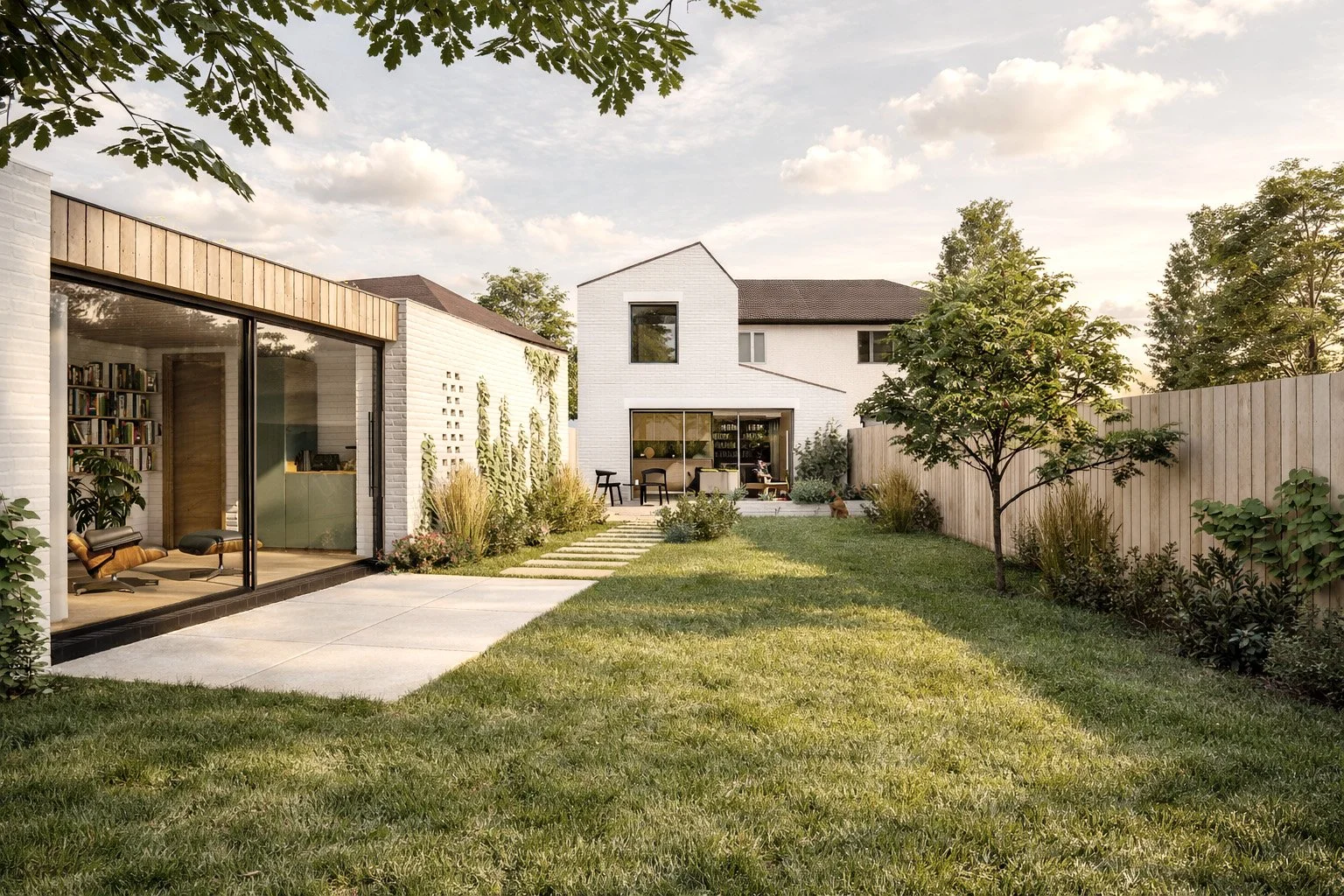
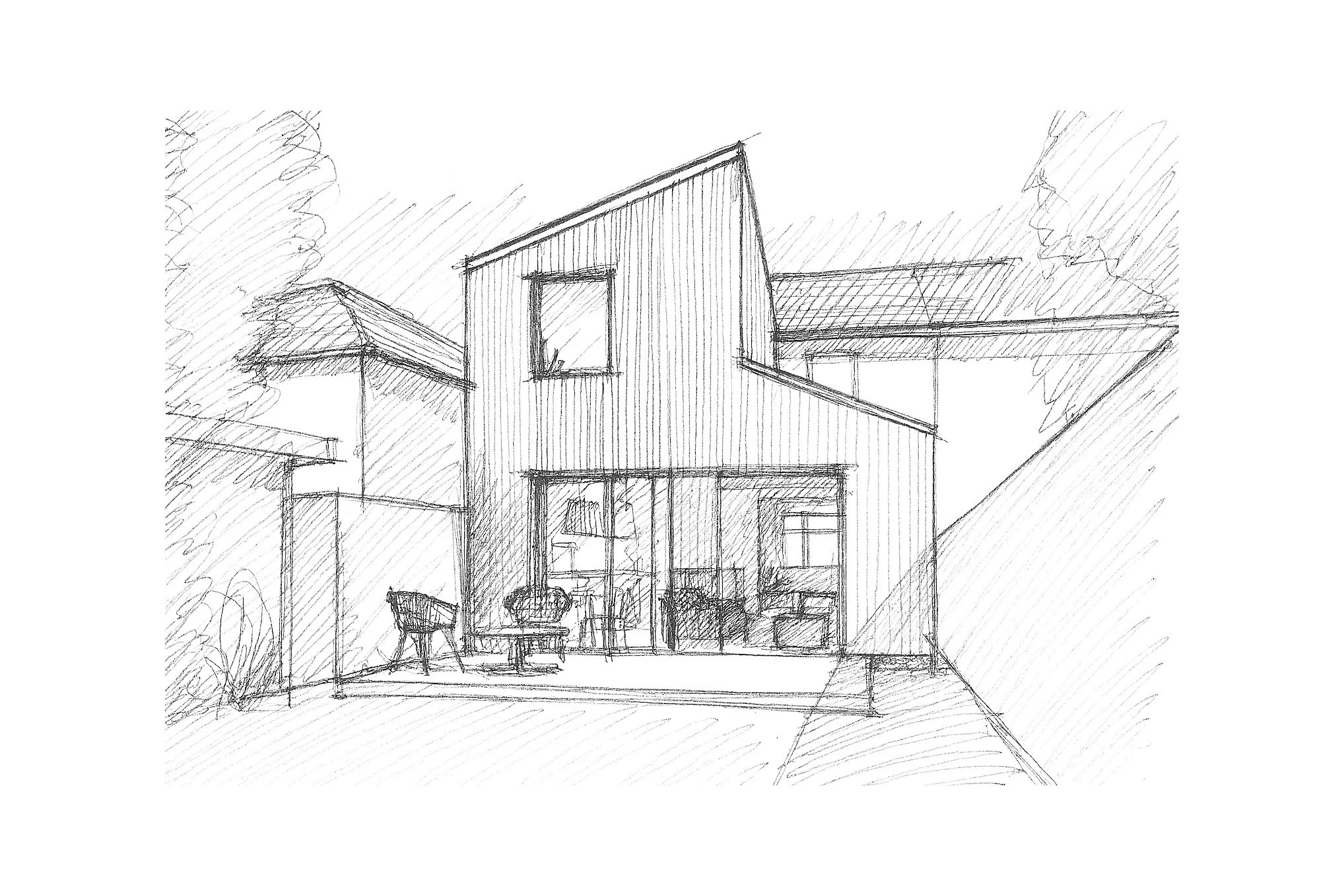
Proposed rear garden view - Edith’s Place, Cambridge
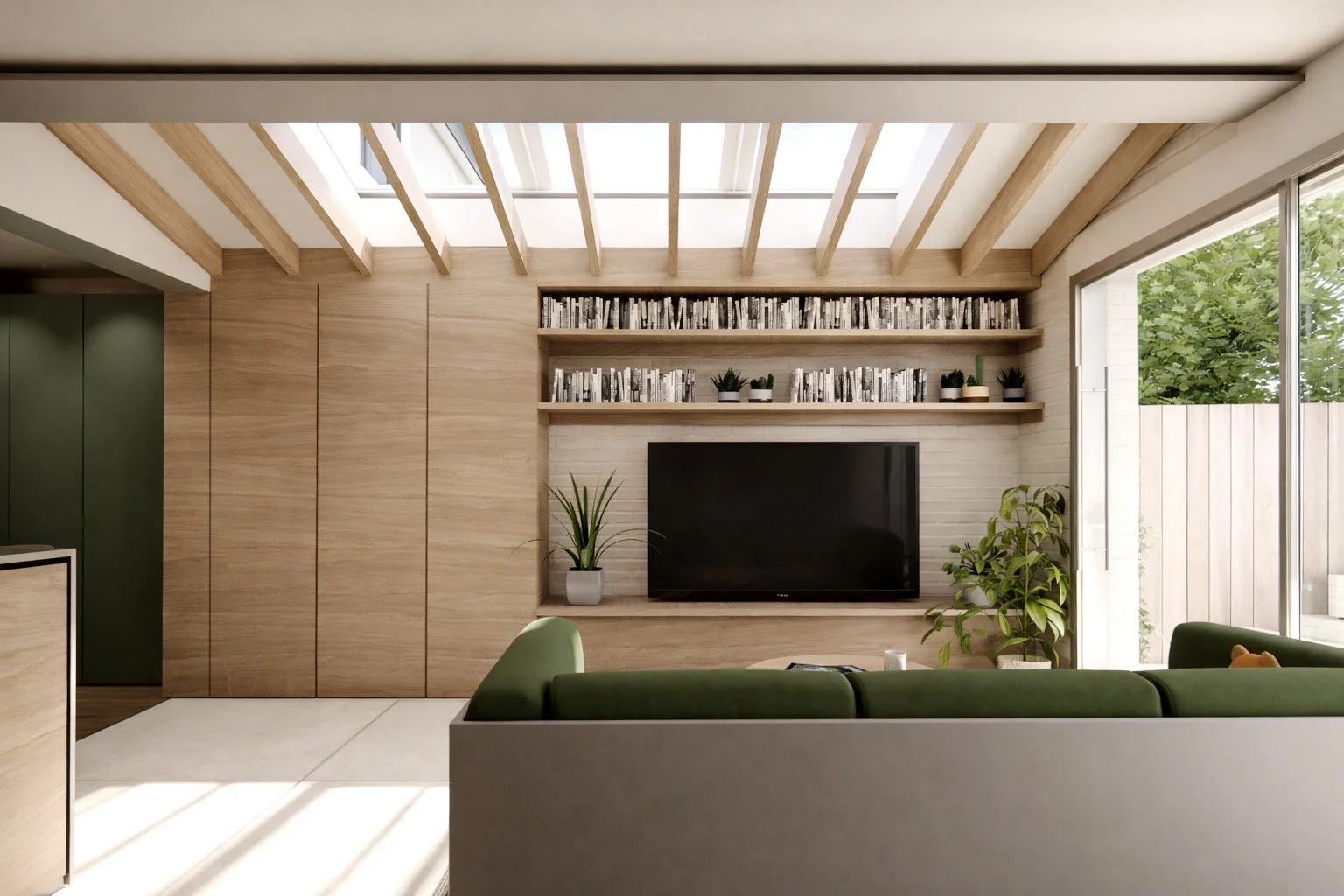
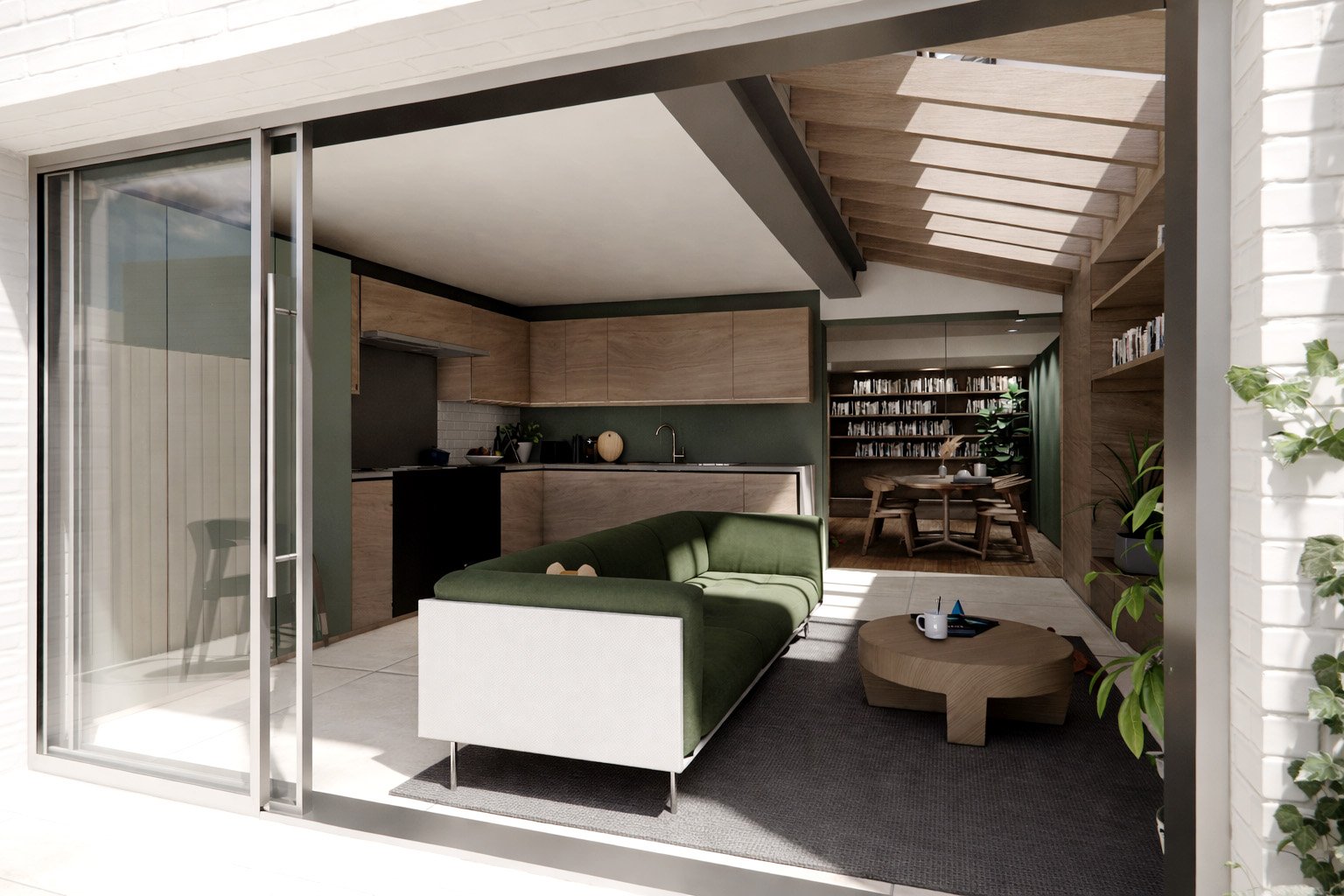
Edith’s Place began as a modest post-war semi at the end of a quiet cul-de-sac in Cambridge, with a layout that limited light, movement and its connection to the garden. Working closely with the homeowners, we rethought the house to create a calmer, more adaptable home shaped around the family’s everyday life.
Edith’s Place shows how a familiar suburban house can be reshaped, creating spaces that are more connected, usable and in tune with the way a family actually lives.
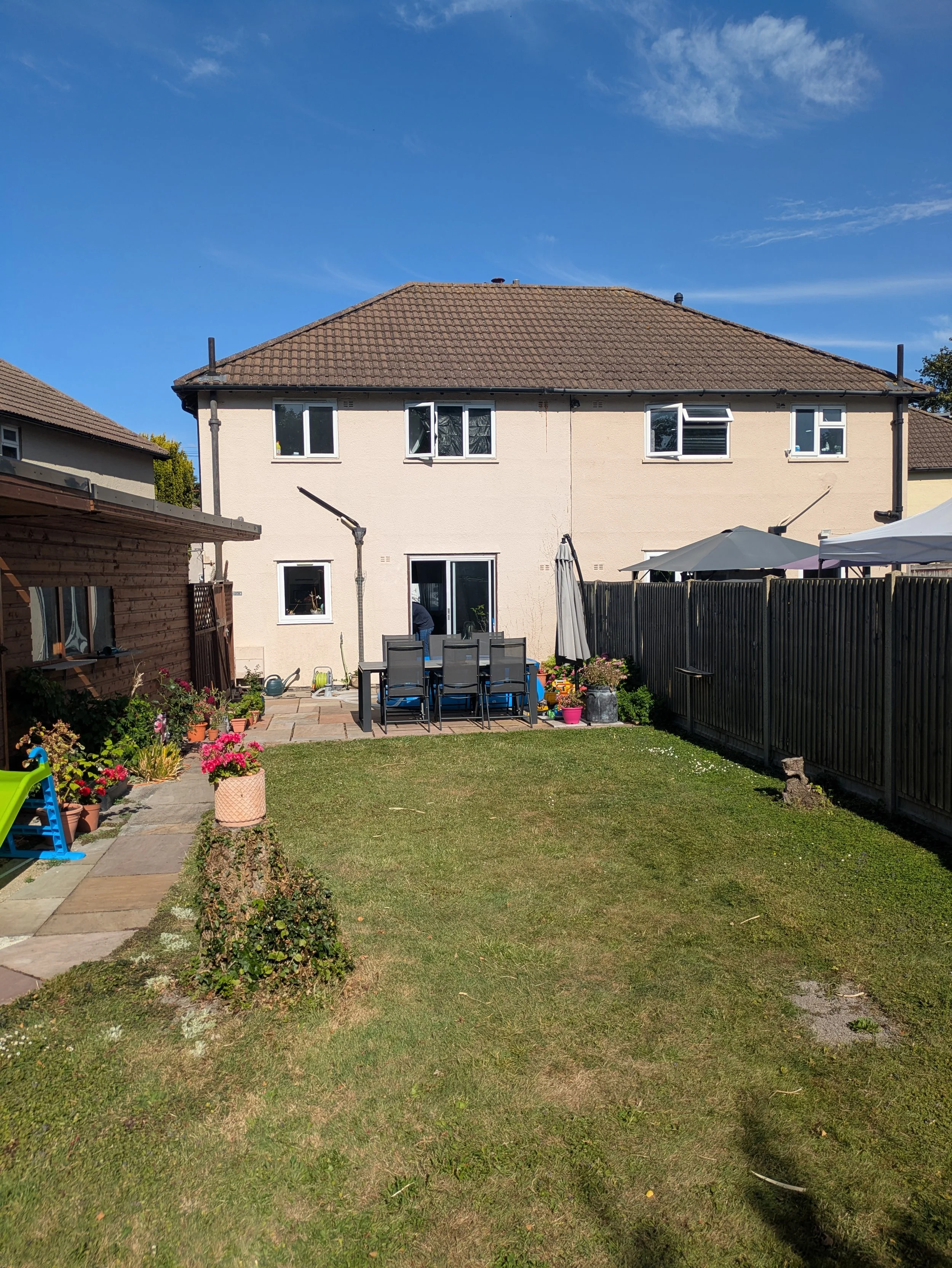
Existing rear garden view
What the project set out to achieve
The project set out to rethink how the house at Edith’s Place could truly work for its owners. When House Form Architects first visited the home, it was clear that while the building sat on a generous plot, its internal arrangement did not make the most of that opportunity. The rooms were small and inward-looking, and the kitchen was disconnected from the garden. The clients’ brief was not for excess space, but for better space: rooms that flow naturally, support family life, and adapt as needs change.
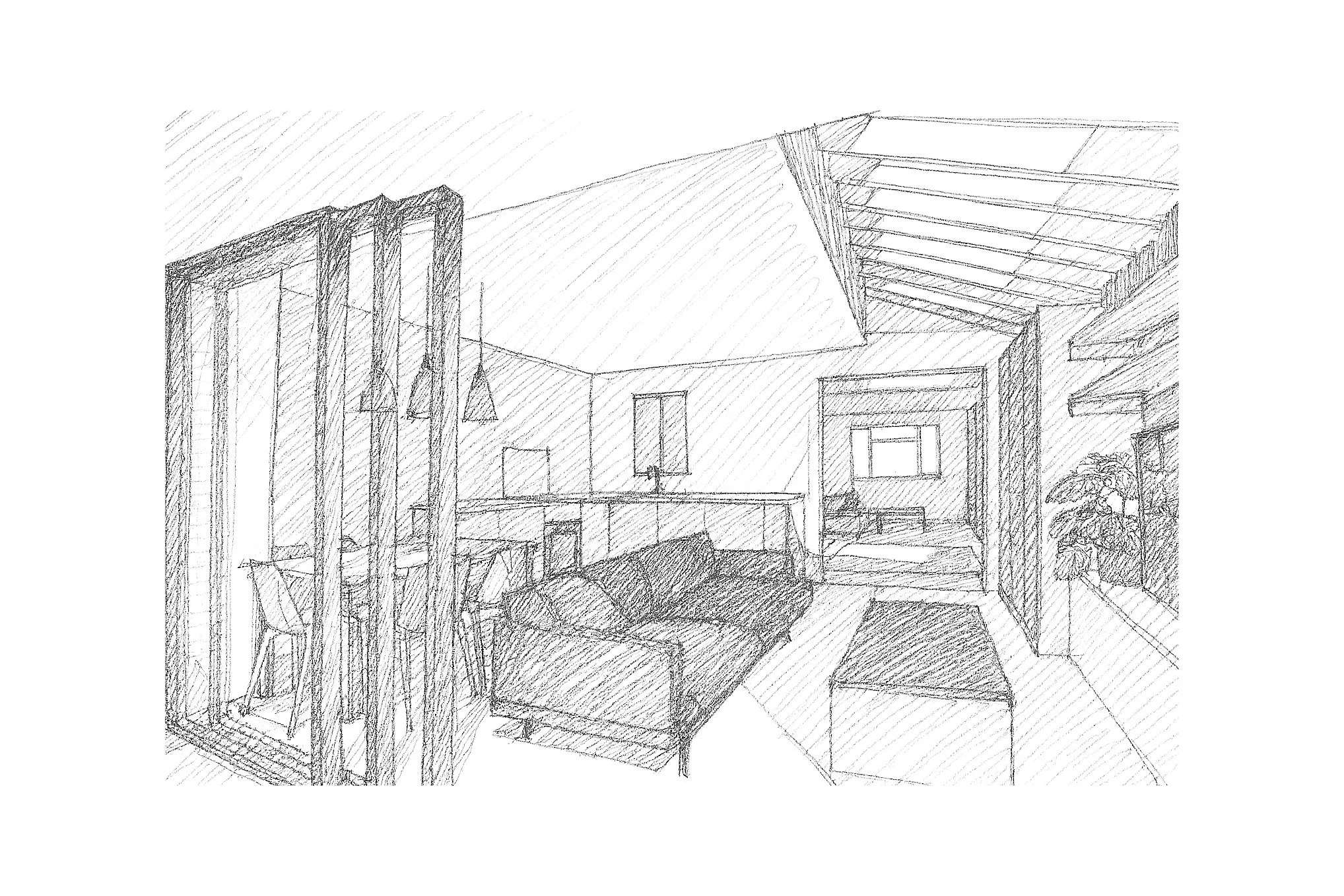
House Form Architects were invited to help the clients reimagine the house as a calm, adaptable family home that could support everyday routines while allowing space to change over time. The project introduces a two-storey rear extension and a small front porch, alongside a comprehensive internal reorganisation, to create a home that feels lighter, more coherent, and more attuned to how the family lives.
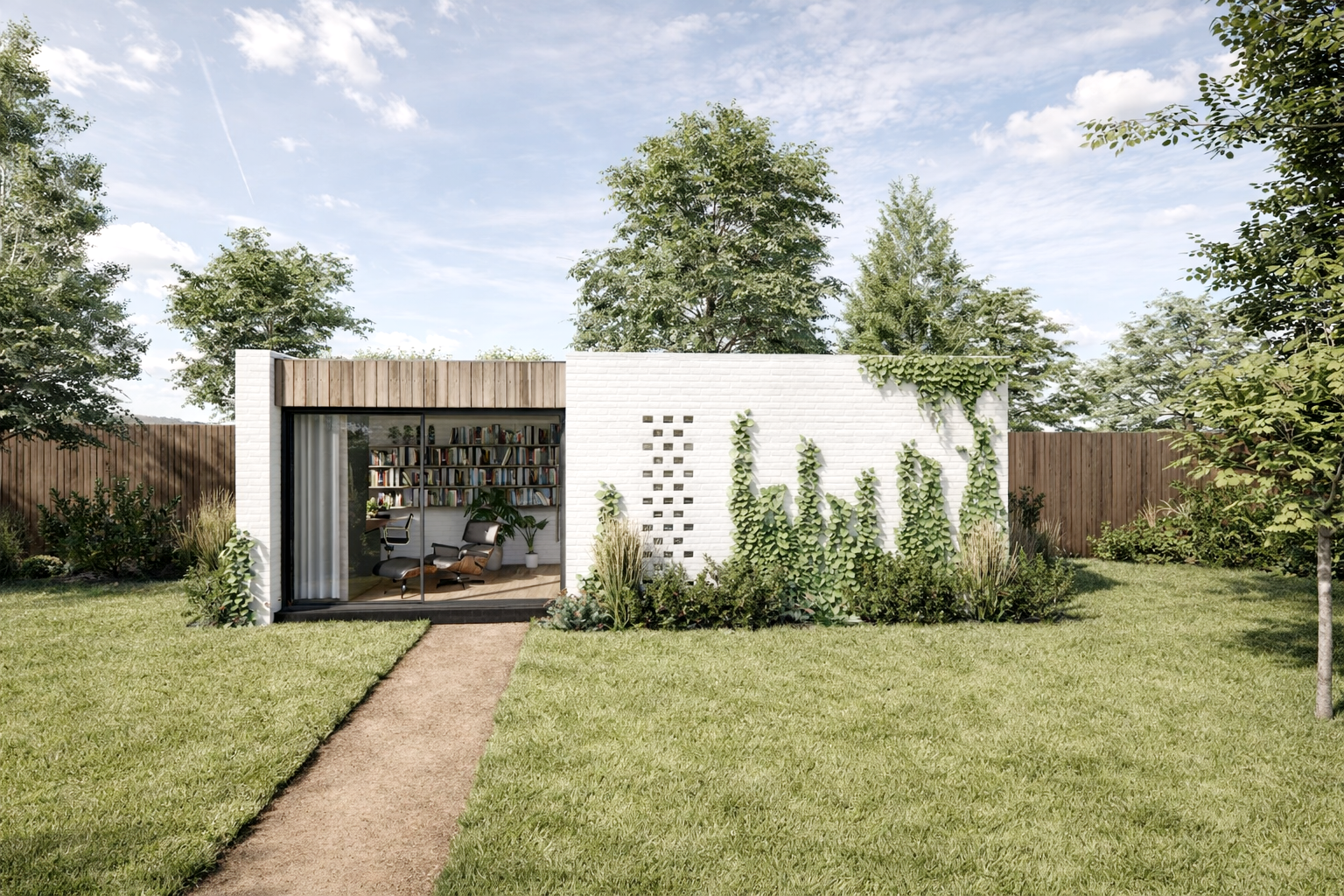
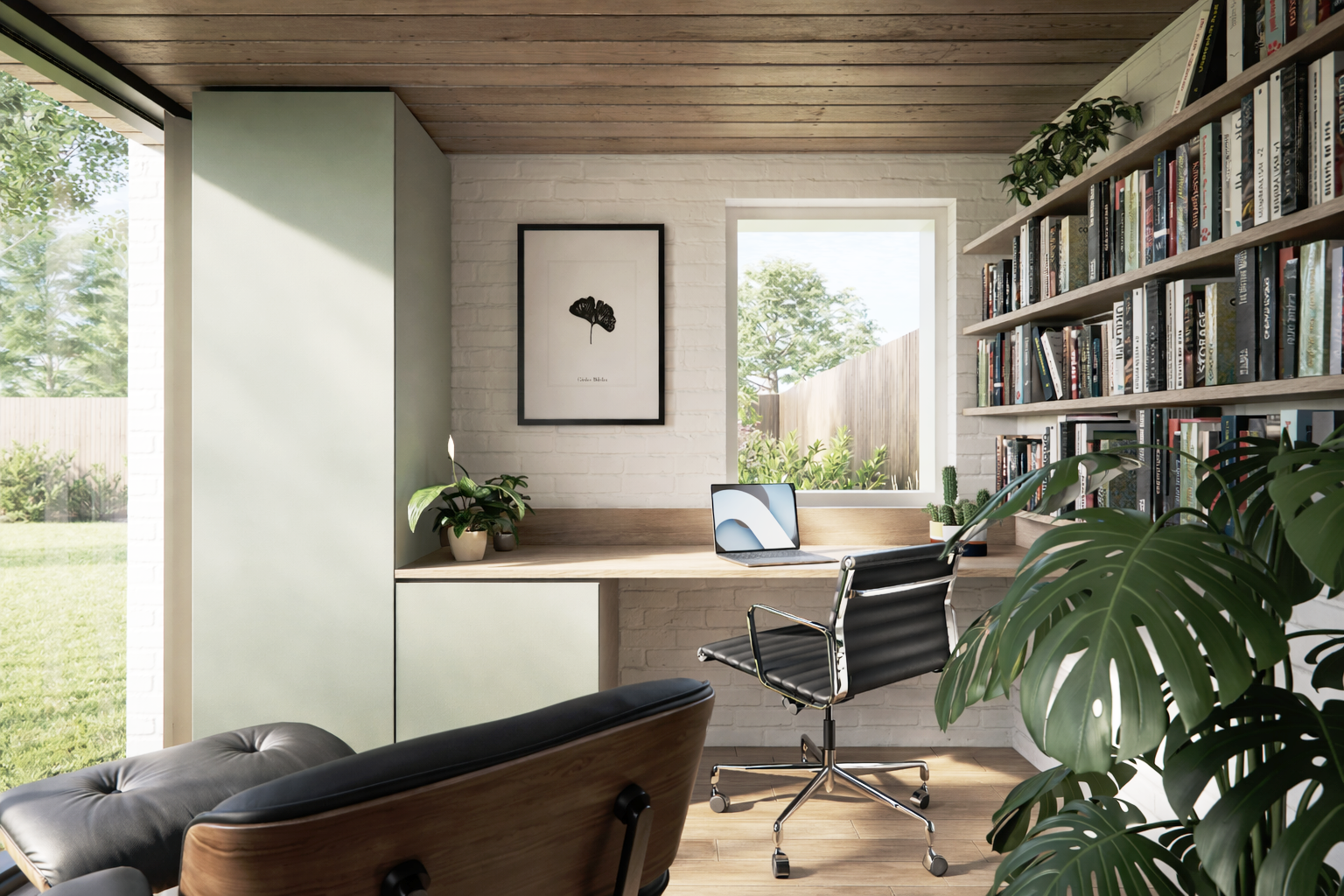
This ambition extended beyond the house itself to include a substantial new outbuilding providing additional living accommodation in the form of a dedicated home office with integrated garage storage, helping to frame the garden and strengthen the relationship between work, home and landscape.
How the design took shape
As the ideas developed, we brought in specialist advice where it was useful like structural, environmental or cost related, to make sure the proposals were practical and aligned with planning expectations. Given the scale of the changes, a pre‑application enquiry helped confirm the direction before moving towards a full submission.
Once a contractor is appointed, we prepare the building contract and finalise the construction information before work begins on site. Throughout the build, we visit regularly to review progress and ensure the work reflects the drawings, the specification and the intentions of the design.
Why staying put can be the smartest move
Moving house can be costly once you factor in estate agents, stamp duty, legal fees and the practicalities of the move itself. Often, that same investment can make a far bigger difference when put into the home you already have. And if you’re settled in an area you enjoy, close to familiar faces, schools or the places you rely on, it’s not always easy to find that again elsewhere.
Renovating also means you can shape your home around the way you live, rather than working around someone else’s layout. Architects can help reorganise existing space so it feels calmer and more useful day to day, while guiding you safely through regulations and planning. Their input often avoids costly mistakes and keeps the project running smoothly.
At Edith’s Place, our changes made a difference without needing to build much more, with the existing layout being carefully reworked. The former kitchen now supports utility, laundry and showering, freeing the front room to stay as a space for both everyday use and for guests. Upstairs, a modest extension created a new principal suite reached through a dressing area and study, while the original bedrooms remain largely unchanged.