
White Spring House: Navigating Planning Permission for Contemporary Extensions in Cambridge 30.06.26
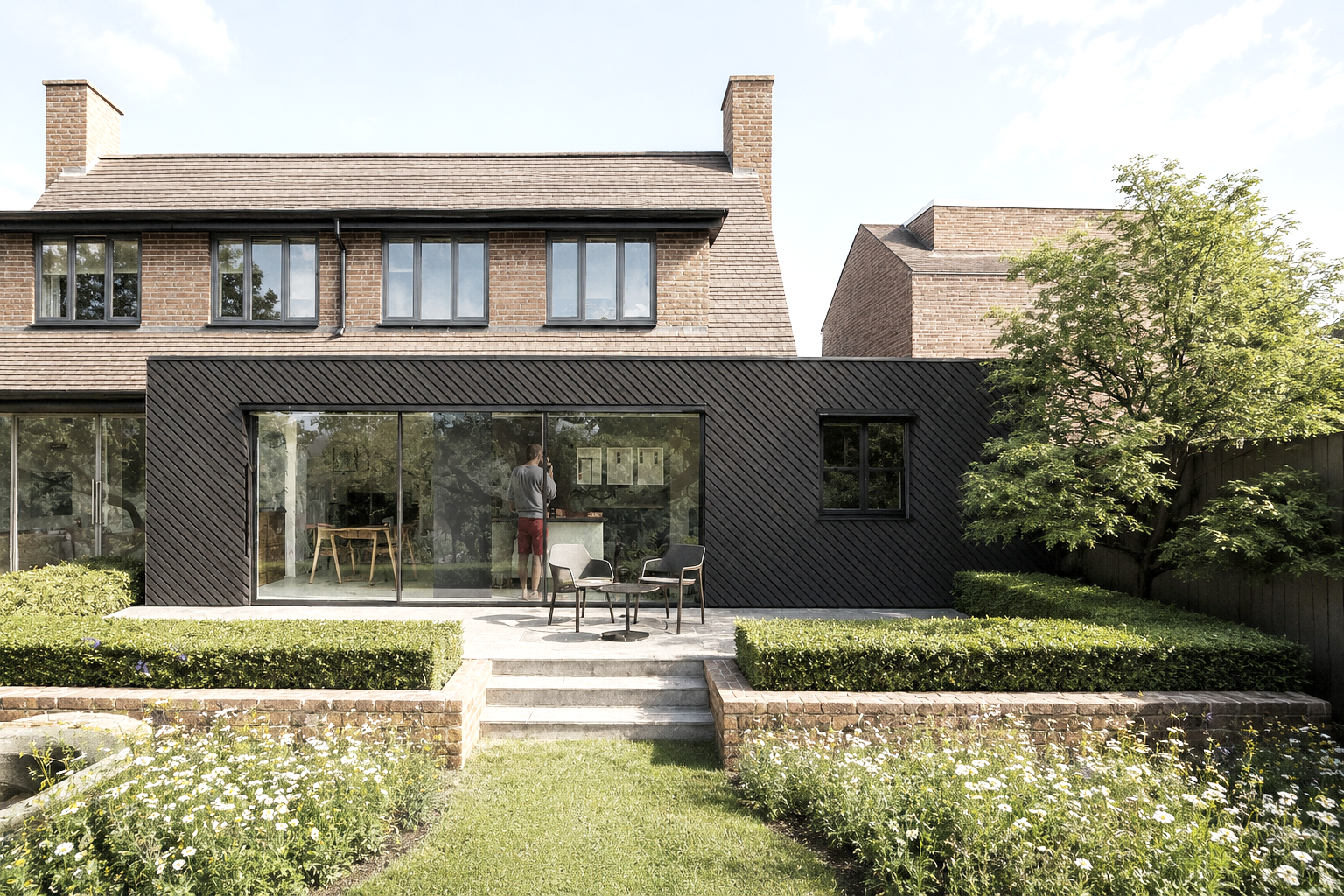
White Spring - Rear Extension View
White Spring
When the clients first approached us, White Spring House was a post-war home that had been extended and altered over time but without a clear overall structure. The rooms worked individually, but felt disconnected, and the links between the house, garden and street were not well defined. The brief was not to increase the size of the house, but to improve how it supports everyday living, making space for visiting family, quieter areas to step back and a better connection to the garden throughout the year.The design takes the form of a series of small, focused interventions rather than a single large change. Each addition is intended to improve how the house functions day to day, helping to bring more clarity and continuity to the layout.
Contentious front extension
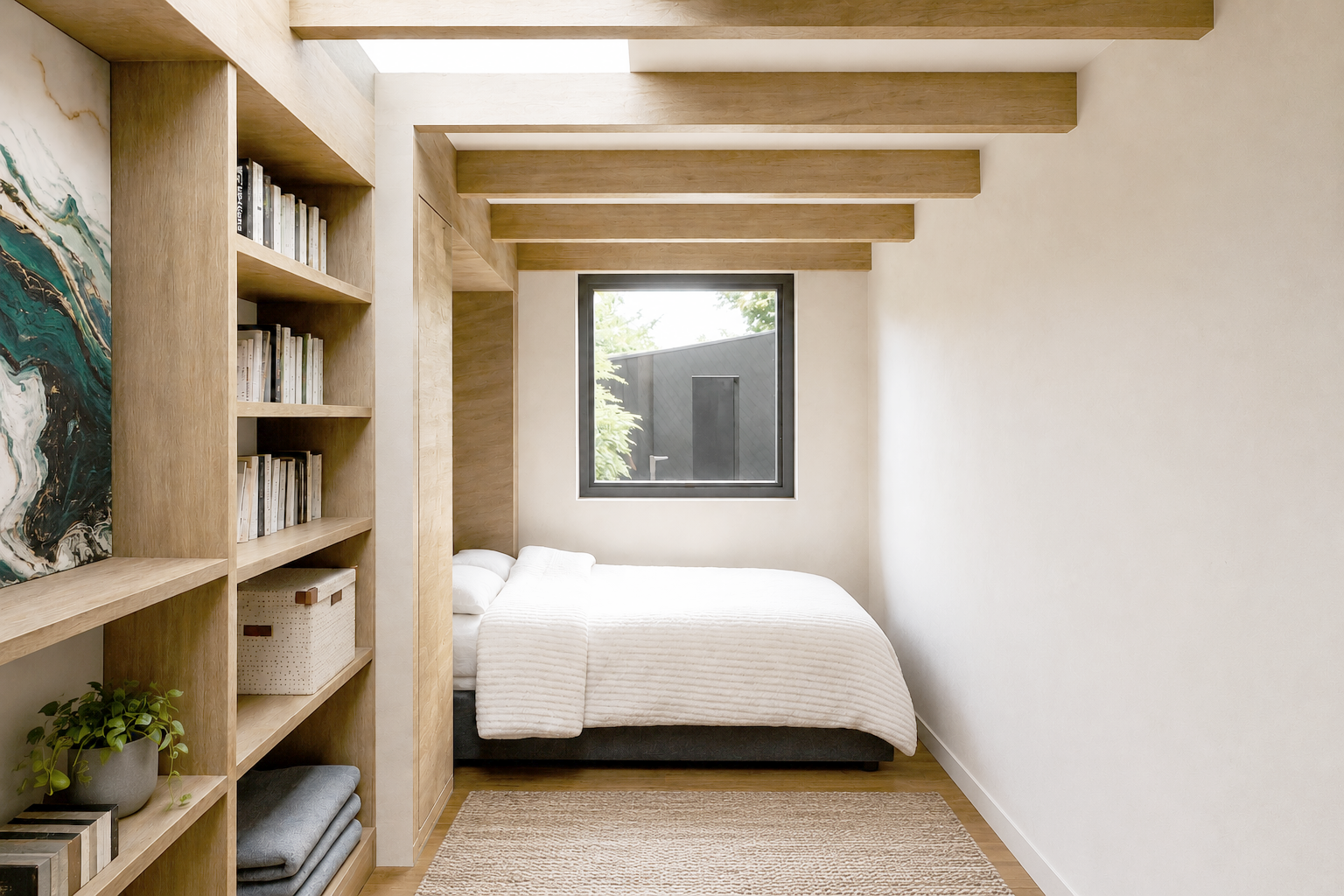
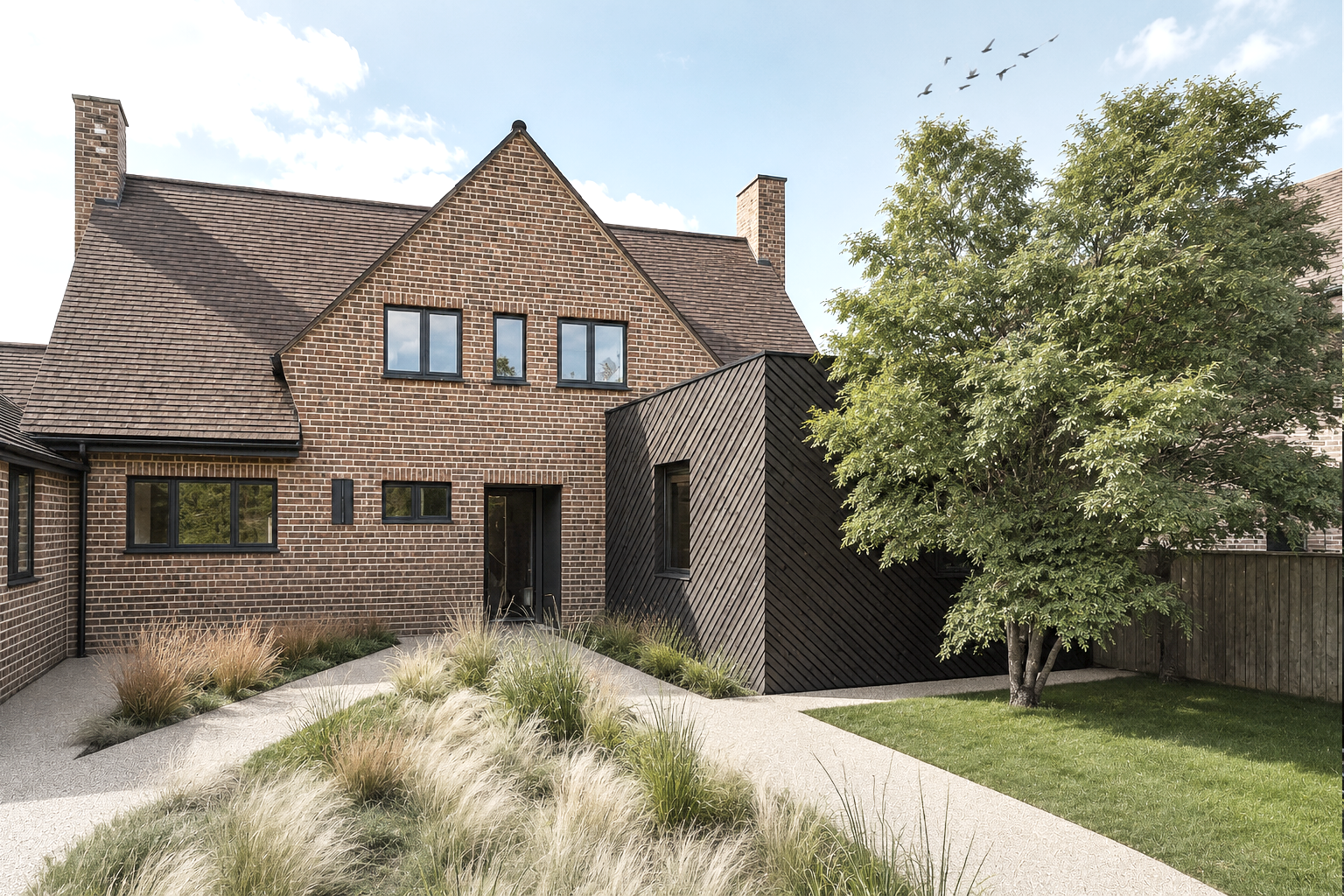
At the front of the property, the removal of the detached garage has enabled the introduction of a new ground floor guest bedroom with an ensuite. This change reshapes the home’s arrival sequence while adding a more versatile layer of accommodation.
White Spring - Interior View
Set at level access, the guest suite offers visiting family members a private and comfortable place to stay, while also ensuring the layout can adapt over time as household needs change. Rather than competing with the existing building, the front extension is intentionally restrained in scale. It respects the hierarchy of the original house while improving both its usability and its relationship to the street.
Negotiating with planners
Throughout the process, attention has been given to scale, neighbouring properties and the planning context. The new elements are all single storey and kept secondary to the existing house, helping to maintain light, privacy and the general character of Whitwell Way. This approach has helped show that the proposal fits within its surroundings without overdeveloping the site, while still improving how the house works and feels to use.
White Spring - Front Extension View
Energy efficiency improvements are focused on the main extensions, in line with current Building Regulations. The garden pavilion is kept simple and unheated, with minimal services. Overall, the design aims to make sensible, modest changes that improve the home while remaining in keeping with its setting and planning expectations.
Navigating Planning Permission for Contemporary Extensions in Cambridge
Planning permission for contemporary extensions in Cambridge needs to be approached carefully, as the area is managed by the Greater Cambridge Shared Planning Service. While some smaller works may fall under Permitted Development, more modern or substantial designs will usually require full planning permission, which typically takes around eight weeks to determine. Contemporary extensions often use modern materials and more distinctive forms, which can lead to closer review by planning officers and feedback from neighbours. It is therefore important that proposals are well considered and respond appropriately to the character of the surrounding area.
The planning process in Cambridge can be detailed and sometimes complex, which is why we regularly guide clients through it as architects familiar with the expectations of both Cambridge City and South Cambridgeshire Councils. Our experience helps anticipate requirements early on, reducing the likelihood of revisions and helping to avoid unnecessary delays during the application process.
Edith’s Place - Rear Extension View
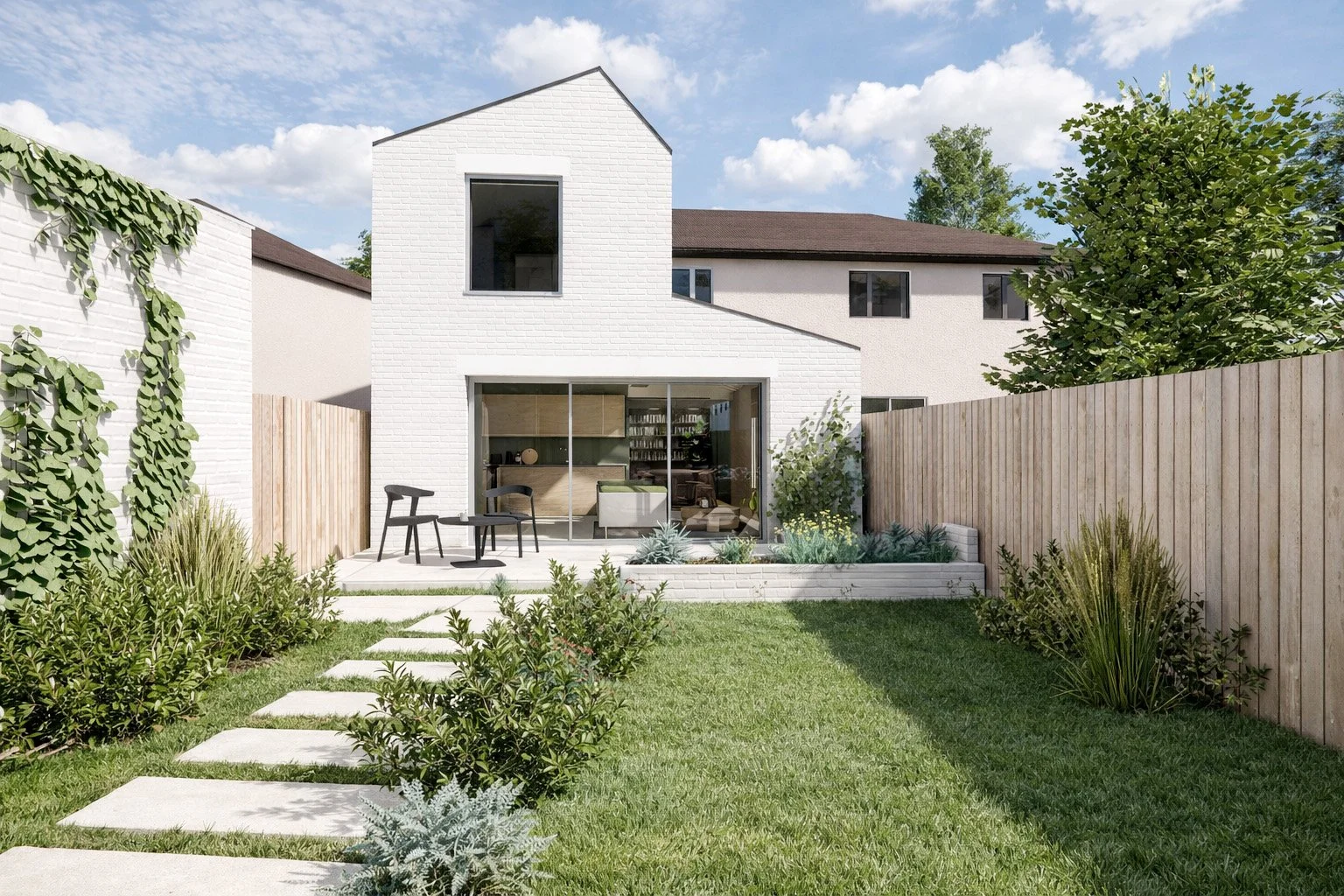
We have recently secured planning permission for Edith’s Place, a Cambridge project involving a contemporary extension and outbuilding for a growing family, which further strengthened our understanding of how local planning officers respond to contemporary design proposals.